• Skip to main content
  • Skip to footer

CASTIMONIA

Sexual Purity Support & Recovery Group

  • Home
  • About Castimonia
    • Statement of Faith
    • Member Struggles
    • Are You a Sex Addict?
    • About the Leaders of Castimonia
  • Meetings
    • What to Expect at a Castimonia Meeting
    • Meeting Times & Locations
      • Alaska Meetings
      • Arkansas Meetings
      • Mississippi Meetings
      • New York Meetings
      • Ohio Meetings
      • Tennessee Meetings
      • Texas Meetings
      • Telephone Meeting
      • Zoom Online Meetings
  • News & Events
  • Resources
    • Books
    • Document Downloads
    • Journal Through Recovery
    • Purity Podcasts
    • Recovery Videos
    • Telemeeting Scripts
    • Useful Links
  • Contact Us

trauma

May 1, 2013 By Castimonia

Why Boys Do Not Tell About Sexual Abuse

Why Boys Do Not Tell About Sexual Abuse
By Karyl McBride, Ph.D.
Created Jun 12 2012 – 3:14pm

The dark cloud over PennState revealing a sexual abuse Penn Statescandal also holds a painful overcast shade for male victims of sexual abuse. The news of the cover-up and victimization of boys at this prestigious university has understandably caused a flurry of confusion, surprise, and concern for parents, educators, football fans, and all who care about children. Having worked in the sexual abuse treatment field for three decades, I’ve seen the difficulty for boys and men in reporting sexual abuse. Why is this so? Cover-ups, denial, and internalizing feelings seem to dominate rather than vulnerable exposure of abusive acts perpetrated on male victims. In general, people don’t like to believe these things happen. It is difficult to understand that adults can be sexually attracted to children. For most healthy individuals, this concept does not compute.

But, let’s take a look at why it is particularly difficult for males to report sexual abuse when it involves them. We know from studies done on sex offenders in prisons, that boys and girls are sexually abused at alarmingly high rates and most are shocked by the statistics. It is also well documented that sexual abuse of boys is underreported. Why?

It is difficult for any child to report sexual abuse because they feel guilty, they may have received threats from the offender, they fear they won’t be believed, and they don’t want to cause family problems. But for male victims, there are additional barriers to disclosure:

1. In our culture, boys are socialized not to be victims. “If I am a victim, can I then also be a man?” Big boys fight back and are not supposed to be victims or it somehow obliterates their identity of “manhood.”

2. Guys are expected still, to tough things out and not ask for help. Fewer men, for example, seek therapeutic treatment and many are still adverse to this concept unless dragged to therapy by their families or spouses. Family therapist, Terry Real, wrote eloquently about this issue in his much-needed book about male depression titled: I Don’t Want To Talk About It. Asking for help is still seen by many males in our culture as a sign of weakness.

3. It’s likely an understatement that our society is still somewhat homophobic? It’s getting better, but we have seen much in the current news about this issue still rearing its ugly head in military circles, same sex marriages, and legislative changes and discussions. So, for a young boy who is molested by a male offender, the issue of sexual identity comes into play. We see young males in therapy asking the question frequently: “If I am abused by a male and I am also male, does that mean I am gay?” Little children, ages 8-10, ask this question frequently in therapy, and teen male victims often just choose to suffer in silence because of this fear. “Will my peer group label me as gay if I tell?”

4. When young boys are touched in the genital area, they can have an erection. It is visible to them, different from female victims. The touching can feel good to both boys and girls and then cause great confusion. “Did I want this?” “If it feels good, is it my fault?” “If there is pleasure, I must be the one in the wrong.”

5. When young boys are sexually abused by female offenders, there is another interesting mind assault. If a young male is getting attention sexually from an older woman, he is often seen as lucky. Boys can be experimental with sex and that is often regarded, as “boys will be boys.” And if the offender is the child’s mother, you can only imagine the difficulty in reporting, and the devastation for the child.

6. Often boys report that they don’t view the sexual acts perpetrated on them as that abusive. They minimize or deny the impact to avoid feelings of helplessness or confusion.

So taking these reporting issues for boys and putting them in the context of the male world of football, one can see the great impediment to reporting something as vulnerable as being sexually abused. If I’m a big tough guy…this did not happen to me. It is more typical for young male victims to use coping strategies like becoming aggressive to overcome the feelings of helplessness, or trying to numb the feelings with drugs or alcohol. In many cases they internalize the trauma and become depressed.

In a college football environment, the players are still young, developing men. The coaches, as well as other instructors, play an almost parental-like role with these young people. The power differential is obvious and the effects devastating when the power of the leader is misused in a secretive, abusive, and flawed manner that actually encourages a wall of silence for compliance that results in reward.

The bottom line is that it is up to adults to protect young people and the need for further education for parents and educators in this arena remains a constant call for clarity and direction. While much has been done in prevention and education regarding child sexual abuse, unfortunately there is more to do. We can start with creating emotionally safe environments for males to disclose sexual abuse and let it be known to boys that this can happen to them too. Boys should be taught more realistic roles to emulate other than the classic tough guy.

And finally, let’s not forget that sex offenders are the prime narcissists in this culture. Their lack of empathy is palpable. They are most concerned with getting their own sexual and power needs met and therefore the impact on the victim… is not on their radar.

(Some resources taken from Virginia Child Protection Newsletter, Volume 29, fall 1989)

Additional Resources:

Book: Will I Ever Be Good Enough? Healing the Daughters of Narcissistic Mothers http://www.amazon.com/Will-Ever-Good-Enough-Narcissistic/dp/1439129436/ref=sr_1_1?ie=UTF8&s=books&qid=1252439024&sr=8-1

Audiobook: Will I Ever Be Good Enough? Healing the Daughters of Narcissistic Mothers http://www.willieverbegoodenough.com/buy-the-book.php

Website: http://www.nevergoodenough.com  and http://www.karylmcbridephd.com

Survey: Is This My Mom? Use this to assess if your parent has narcissistic traits. It is applicable for men as well.  http://www.willieverbegoodenough.com/survey.php

Research: Interview You? http://www.willieverbegoodenough.com/for-men.php

FB Parties for Adult Children of Narcissists: http://www.facebook.com/DrKarylMcBride

Filed Under: Sexual Purity Posts Tagged With: addiction, affair, Affairs, anonymous sex partners, Boys, call girls, castimonia, Character Defects, childhood sexual abuse, christian, escorts, gratification, healing, human trafficking, Intimacy, Jesus Christ, lust, masturbation, porn, porn star, pornography, pornstar, pornstars, prostitute, prostitutes, ptsd, purity, recovery, Sex, Sex Abuse, sex addict, sex addiction, sex partners, sexual, sexual abuse, sexual addiction, sexual impurity, sexual purity, STD, strippers, trauma

April 29, 2013 By Castimonia

Physical and Sexual Abuse

Posted by James Browning on April 29, 2013

Abuse: Touching someone’s body without their permission, hitting, punching, pinching, slapping, tickling, pulling hair, hitting with objects, banging the head, so that marks are left on the person…Punching someone to the point of knocking them off their feet, slamming them into walls or hard objects, strangling or choking someone…Intimidating someone with the threat of violence, punching walls or throwing objects. …you might think that because some other member of your family was receiving the blows you are not a victim of physical abuse, but (you were) if the underlying fear is, “When will it be me?” Physical sexual abuse is bodily sexual activity with a child or touching in a sexual way. It includes: intercourse, oral sex, anal sex, an adult masturbating a child or having a child masturbate an adult, sexual hugging, sexual kissing, and sexual touching. Many people who have been molested or incested feel responsible for what happened, feel that they caused it to happen or wanted it to happen. I have also heard clients express acceptance since it was the only kind of attention that they received. You are not responsible and it is not acceptable behavior. A child will not seek out sexual encounters except what may be age-appropriate sex play with other children. It is the adult’s responsibility to set appropriate boundaries and protect the child. Taken from “Adults Abused as Children” by Licia Ginne, LMFT http://www.latherapists.com/articles.html

“The consequences of your denial will be with you for a lifetime and will be passed down to the next generation. Break your Silence on Abuse!” – Patty Rase Hopson

Filed Under: Sexual Purity Posts Tagged With: abuse, addiction, affair, Affairs, anonymous sex partners, call girls, castimonia, child molester, childhood abuse, childhood physical abuse, childhood sexual abuse, christian, co-dependency, co-dependent, codependency, codependent, escorts, father wound, gratification, healing, human trafficking, incest, Intimacy, Jesus Christ, lust, masturbation, molest, molestation, porn, porn star, pornography, pornstar, pornstars, prostitute, prostitutes, ptsd, purity, recovery, Sex, sex addict, sex addiction, sex partners, sexual, sexual abuse, sexual addiction, sexual impurity, sexual purity, STD, strippers, trauma

April 22, 2013 By Castimonia

I Was in Denial About My Childhood Sexual Abuse

This is a very painful subject for me, something I really don’t like to talk about.  However, since the month of April is childhood abuse month, I figured I would tell a small part of my life story.  I was sexually abused from age 3 until age 7.  I continued to act out sexually on a nearly a daily basis until I entered recovery at age 33.  It took me three years of recovery and therapy to finally admit that I was sexually abused as a child.  Because of the circumstances, I was in complete denial about my abuse and my abuser.

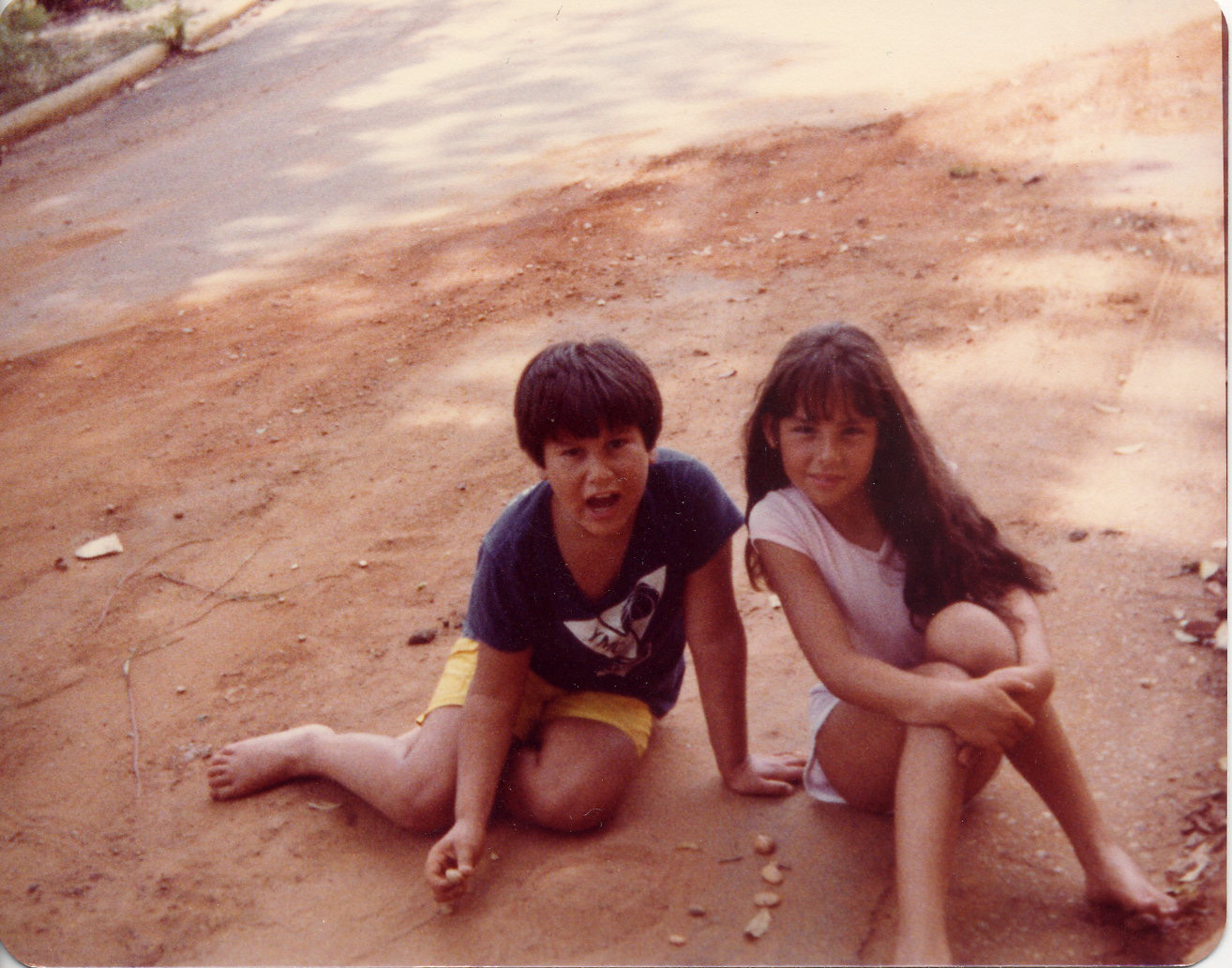
Scan59The reason I was in denial is because the girl that abused me was just a little older than me, maybe 6 months or a year.  When my family moved away from our home country to a university setting in the United States, I didn’t know many children that spoke my native tongue.  She did and it was a relief that I could speak to her and she could speak to me and we could understand one another.  I was around 3 years old at this time.  I don’t remember all of the details of our relationship, but a few points do stand out.  I recall the time we hid from our parents (her idea) and we snuck into the university swimming pool that was located about 2 miles from our apartment complex.  Apparently our parents called the police and everyone was looking for us while we enjoyed ourselves at the pool.  I don’t recall what occurred when we came home but knowing my parents, it wasn’t good.

I trusted this girl a lot, so when she decided we should play sexual games together, I went along with her.  I do recall the words to this day she spoke to me in my native tongue stating, “don’t tell your parents.”  I didn’t tell my parents, not until 30+ years later when I entered recovery.  Even then, I minimized the fact she abused me for 4 years, I was still in denial.  Amazing how I always thought my parents suspected something but when I asked them about it, they said they never knew.  She and I were together almost every day and the sexual activities were basically based on what she wanted to do to me, with me, and with other boys at the apartment complex.  I don’t know where she learned all these things, but I suspect her older siblings or parents had something to do with it, perhaps with pornography and or an extremely liberal stance on human sexuality.  I may never know the answers, nor do I wish to pursue them.

I do know that this sexual abuse and what I thought was “love” has affected the rest of my life up until I entered recovery.  I believed this girl loved me, that she and I would be together forever.  Why else would she want to do sexual things with me?  Allowing her violate me sexually was the way I showed her that I too loved her.  As an adult, I repeated this same love = sex behavior thousands of times.  For a majority of my life, I had the belief that being sexual with a woman meant I loved her and she loved me.  A woman who wanted to be sexual with me, who initiated sex with me, who pursued me sexually was a woman that loved me: this is what I believed for 30+ years.  This idea was ingrained in me by my abuser, an idea I still struggle with on occasions.  I’m not attempting to minimize by saying that it could have been worse, I could have been abused by an adult, but in actuality, the fact that it was another child, masked the abuse, keeping me living in denial for so long and in turn pursuing a false sense of love.  The abuse was not traumatic, it was what I used to consider consensual; I believed it was because I enjoyed it.  As an adult, I reenacted various things we did together, with other women, ultimately believing I was fulfilling some great fantasy locked within the depths of my mind.  The saying “follow your fantasy and you’ll find your wound” makes perfect sense to me now.

GiselaI don’t like the fact that I was sexually abused.  When I finally broke through the denial, with the help of my therapist, I was a complete mess.  However, it allowed for God to begin healing this wound that I had held onto for so long.  Being labeled a victim of childhood sexual abuse was not pleasant, it made me feel dirty, it made me feel like I was worse than I really am.  One of my friends in recovery let me know that I am no different today (the day I finally acknowledged it as sexual abuse) than I was yesterday (when I was “just” a recovering sex addict).  This helped me tremendously.  Breaking through the stigma of dirtiness and brokenness was difficult but necessary.  I still struggle with negative intrusive thoughts about the abuse and being unwanted or being broken.  However, I have come to understand that feeling “unwanted” is just a lie and also, God can’t fix me if I’m not broken….

Filed Under: Sexual Purity Posts Tagged With: addiction, affair, Affairs, anonymous sex partners, call girls, castimonia, child abuse, child sexual abuse, childhood sexual abuse, christian, escorts, gratification, healing, human trafficking, Intimacy, lust, masturbation, porn, porn star, pornography, pornstar, pornstars, prostitute, prostitutes, ptsd, purity, recovery, Sex, sex addict, sex addiction, sex partners, sexual, sexual addiction, sexual impurity, sexual purity, spouses, STD, strippers, trauma

April 20, 2013 By Castimonia

Believe Her

Originally posted at http://shessomebodysdaughter.wordpress.com/2013/04/19/believe-her
April 19, 2013 · by she’s Somebody’s daughter

redsneakers

Would you know the signs to look for if you suspected that someone – a child – in your life was being sexually abused?

It has been our observation that perpetrators of child sexual abuse are often frequent users of pornography. And unfortunately, the victims too often suffer in silence.

It is our desire to speak truth and help raise awareness about this issue, to empower others to offer help, and so we put the above question out recently on our social media sites. Through those connections, a courageous college student, a sexual abuse survivor, answered us by writing the following article, and shares bits and pieces of her personal journey.

Please note that this is for raising awareness and informational purposes only. We strongly urge you to speak with a professional directly if you have any questions or concerns about sexual abuse (resources available here).

And so with that, we will let guest blogger Magali, share for herself:

When writing about the signs that would help create awareness on the topic of sexual abuse, it was hard to make a distinction between emotional and physical symptoms because they are so linked together.

This article is written from a female survivor’s point of view.

Sexual abuse is a wound that affects a girl wholly: psychologically, emotionally, physically and spiritually. It also affects the way we see sexuality and men.  The damage done runs deep and much time is needed to recover.

We are all different and every one of us react to things in different ways. The following are common signs one can take notice of in a girl who is a victim of sexual abuse.

When something, such as a sexual abuse, happens to anyone, it affects the body first: feelings of being defiled and dirty – the hardest thing is that your body has been attacked – and you cannot get rid of this. You cannot put this in a room somewhere and not think about it. What happened lives in your flesh.

The pain is often unbearable…and these signs and symptoms are simply ways to cope and/or to deal with that pain.

DISSOCIATION

A lot of people resort to dissociation, separating the body and the mind in order not to think about what happened in our bodies or feel the pain. For me, I hated what the person did to me and my body; I hated my body and so I started dissociating.  There was my physical body, which I didn’t want to think about, and there was me – a thinking, feeling being.

Dissociation is also a way to protect oneself of all the emotions too painful to feel. To make it simple, there was my body, my mind and my emotions  – all separate. I used to think of me as just a mind, I didn’t want to think of me as a woman, with a body. I didn’t want to think of me attracting boys or men.

mirrorGUILT SHAME AND DENIAL

After the abuse, a victim also feels a great deal of guilt and shame. We cannot believe it happened to us; we’re ashamed, we feel it happened because of something we did. The instinct is to hide it, but to keep going, pretending it never happened. That’s dangerous and leads to a lot of damage. You can keep it all bottled up inside for only so long and when it explodes to the surface, it comes back in full force, as if it had happened yesterday.

EATING DISORDERS

Eating disorders often stem from sexual abuse because of dissociation and the discomfort we feel towards our own bodies.

Eating disorders are only the symptoms revealing that a girl or young woman has a twisted perception of what her body is. She doesn’t want to see herself the way she really is…the way she was designed to be.

Eating disorders are linked with self loathing, guilt, shame – it’s a very complex disease. (visit ‘Tell Me What You See as a resource and for more information)

SELF HARMING

Some victims feel so much guilt and shame that they have to take it out on themselves. Self harming is not only cutting it can also be scratching, burning.

Advice: the girl may not always cut on her arms, she might cut somewhere so it will not be noticed.

SUBSTANCE ABUSE AND ADDICTION

Substance abuse can also be a way to deal with the pain and often leads to a drug addiction.

POST TRAUMATIC STRESS

Post traumatic stress is hard to describe precisely for each person, but often nightmares, panic attacks, unwanted memories and flashbacks haunt us as victims. Post traumatic stress is not rational  – it’s basically how our emotions choose to express themselves.

I remember having panic attacks in a class managed by a man, he had done nothing wrong or inappropriate, but just the idea of sitting down in his class was unbearable. It’s not a rational thing; yet the emotions are so strong and just as hard to navigate.

lonely-girlTHE NEED TO FEEL SAFE

A victim of abuse will feel the need for protection, a need to protect herself. She will build up walls, physically and emotionally.

Physically:

1. She might change the way she dresses, to prevent boys or men to be attracted to her.

2. She might not want to sit close to a man or a boy. Being on a bus or a subway is still a nightmare for me.

Emotionally:

1. She will distance herself and not let anyone get close to her. I was always in control,  choosing what I would say, what I would do in front of people. I would lie through my teeth swearing up and down that I was okay when asked; please don’t take it personally when we lie…we lie to ourselves first and foremost.

2. If the girl has friends who are boys, she might have a difficult time being around them.

UNEASINESS TALKING ABOUT SEXUALITY

Obviously, they will be uncomfortable with the topic of sexuality and the topic of dating, relationship with men/women. Our minds associate sexuality with the abuse even if it couldn’t be farther from the truth and anything that isn’t safe is out of the question.

ATTACHMENT TO CHILD BEHAVIOUR

After abuse, I didn’t want to think of myself as a woman so I was semi-consciously reverting back to acting like a child, sleeping with a teddy bear…

DEPRESSION

This looks like having trouble getting out of bed in the mornings, not wanting to make plans with anyone, wanting to stay in all the time, an overall sadness, not smiling, not laughing, shutting yourself off.

MOOD SWINGS

MY ADVICE IF YOU THINK YOU KNOW SOMEONE WHO WAS OR IS BEING ABUSED:

  • Please be patient. Considering the amount of trauma she’s been through, she will not open up easily.
  • Tell her you love her and that it’s going to be okay. Assure her that you are going to be there for her no matter what!
  • If she says she was abused, believe her; you don’t need to know every single detail!
  • Help her find a safe place, a counselor she can talk to
  • Allow her to recover in her own time – don’t rush it and don’t force her to talk

paintingTHE RECOVERY PROCESS

Let those trained to deal with sexual trauma and abuse do their work. I understand it can be hard for families or friends to be kept out of the process, but it’s necessary.

Be happy and encouraged that she found someone safe to talk to, even if it’s not you.

ON THE TOPIC OF FORGIVENESS

Be really careful with the topic of forgiveness: don’t push it or rush it! Just hearing the word made my insides scream! I remember hearing about it at church, and at the time it took all I had in me not to explode and run out of there.

WHAT YOU CAN DO

  • encourage her
  • tell her you are praying for her
  • support her when she talks to you
  • you can also help her find an outlet for letting all the emotions out; if she’s a creative person: painting, drawing, writing, singing, or if she’s more active: find a sport

It is our hope, along with Magali’s, that by publishing this information we all will have a new awareness of those around us who might be suffering in silence, and be willing to offer help and hope.

♥ Thank you, Magali, for sharing so openly and honestly – and so courageously! ♥

Filed Under: Sexual Purity Posts Tagged With: addiction, affair, Affairs, alcohol, alcoholic, anonymous sex partners, castimonia, child abuse, childhood sexual abuse, christian, Emotions, father wound, Intimacy, Jesus Christ, pornstar, pornstars, prostitute, prostitutes, recovery, resentment, Sex, Sex Abuse, sex addict, sex addiction, sex partners, sexual, sexual abuse, sexual addiction, sexual impurity, sexual purity, strippers, trauma

April 19, 2013 By Castimonia

Adult Manifestations of Childhood Sexual Abuse

Adult Manifestations of Childhood Sexual Abuse
Full PDF article and figures can be found here:
http://publichealth.lacounty.gov/wwwfiles/ph/media/media/TPH-409.pdf

Background

While childhood sexual abuse (CSA) continues to be a major public health problem, an equally severe and silent epidemic are the estimated 39 million adult survivors of childhood sexual abuse in the United States who continue to exhibit aftereffects of CSA that predispose them to adverse psychosocial outcomes throughout their adolescent and adult life.

Early childhood traumas such as sexual abuse can have lifelong effects throughout adulthood, and the cost to society is high. Ninety percent of cases go unreported and untreated, as the symptoms of CSA are often misdiagnosed and unappreciated.

This article attempts to provide clinicians with awareness of the neurodevelopmental effects of CSA, the adult clinical symptoms, and the adverse psychosocial outcomes of CSA. It will also present tools to help identify the aftereffects of CSA in adulthood and provide mandated reporting protocols.

Definition

Sexual abuse is defined as any sexual activity that a child cannot comprehend or consent to. It includes acts such as fondling, oral-genital contact, and genital and anal intercourse, as well as exhibitionism, voyeurism, and exposure to pornography. A central characteristic of any abuse is the dominant position of an adult that allows him or her to force or coerce a child into sexual activity. Researchers have determined that child sexual abuse victims come from all cultural, racial, and economic groups. The lack of a universal definition of CSA contributes to the complexity of data collection and estimates.

Incidence and Prevalence

Currently, CSA prevalence in the U.S. is not known, but estimates vary from 12% to 40%. Incidence studies suggest that while on average 5.5 children per 10,000 enrolled in day care are sexually abused, a greater number of children (8.9 children per 10,000) are sexually abused in their home. Further CSA studies suggest that 53% of the abuse occurs in the home, 57% report the perpetrator was a family member, and 65% report repeated abuse. Overall, studies show that 1 in 3 females, and 1 in 6 males have experienced childhood sexual abuse by the age of 18.

While nearly 90,000 cases of child sexual abuse are reported each year in the U.S., between 88%-90% of CSA cases are estimated to be unreported and interestingly, between 21%-49% of CSA victims appear asymptomatic following victimization. The lack of disclosing a history of sexual abuse contributes to the lifelong effects of the abuse.

Neurodevelopmental Damage of CSA

Controlled studies have shown that adult survivors of child sexual abuse (ASCSA) are more likely to exhibit adverse psychopathologies in adulthood, and neuroimaging studies confirm that exposure to sexual abuse in childhood alters the neurobiology and neurostructures in the brain, leading to scarring, an abnormal neurohormonal response to future stressors, and predisposes the victim to a lifetime of negative consequences.

Neurological damage from sexual abuse alters early brain development, increasing the risk for psychopathology in adolescence and adulthood (Table 1). The hippocampus, responsible for new learning and memory, plays a critical role in recording emotions that are attached to a stressful event such as sexual abuse. The hippocampus is known to be very sensitive to stress. During stress, high levels of glucocorticoids are released, and over time (as observed among CSA victims, including those re-victimized) elevated levels of glucocorticoids damage neurons in the CA3 region of the hippocampus and lead to atrophy. While the hippocampus has been shown to regenerate neurons, stress inhibits neurogenesis.

Abnormalities of the hippocampus have been shown to be associated with pathological fear, mood imbalances, and anxiety reactions in trauma-related disorders (also hallmarks among ASCSA).

Magnetic resonance imaging (MRI) studies have demonstrated a 12% left hippocampal volume size reduction among adults who have been sexually abused in childhood as compared to healthy controls (Figure 1). Similar reductions are exhibited among subjects with trauma-spectrum disorders such as depression, dissociation, PTSD, and borderline personality disorder. In addition, the amygdala, responsible for emotional and fear regulation, is affected by early sexual trauma, resulting in similar psychopathologies.

Studies suggest sexually traumatized children are also less able to utilize both brain hemispheres to process experiences. The corpus callosum, a longitudinal fissure that connects the left and right cerebral hemispheres, is shown to be abnormal in sexually abused children. Generally, the left side of the brain processes positive emotions and logical thinking, and the right processes negative emotions such as fear. When the corpus callosum is not operating properly these processes are unable to function at the same time, thus supporting theories why many abused individuals divide people into “all good” or “all bad” and exhibit mood swings, as observed in borderline patients.

Adult Manifestations of CSA

There is no adopted definition to identify the symptoms exhibited among ASCSA; however, evidence-based research has confirmed long-term effects of CSA in adolescence and into adulthood. Later in their lives, many ASCSA, whether reported or not, exhibit psychopathology, acting-out behaviors (social dysfunction), relationship problems (interpersonally), somatic symptoms, and sexual disorders.

CSA survivor studies suggest that ASCSA use health care services more often than the general population, are shown to exhibit more somatic symptoms that do not respond to medical treatment, and present more severe and complex symptoms.The response to sexual abuse during childhood varies, and is largely dependent on 1) age at onset; 2) severity; 3) duration; 4) relationship to the perpetrator; 5) the child’s resiliency; and 6) stability of and support from the family.

Childhood survivors might initially seem unaffected by the trauma; however, by adolescence and adulthood, the consequences eventually become symptomatic, resulting in eating disorders, dissociation, phobias, obsessions, borderline personality disorder, depression, anxiety, bulimia, obesity, post traumatic stress disorder, hallucinations, conduct disorder, substance abuse disorder, panic disorder, antisocial personality disorder, affective disorder, and impaired sense of self.

Behavioral Effects of CSA 

Acting out

Children are limited in their physical, cognitive, and emotional development and, thus, dependent upon adult and often sibling caregivers to provide love, trust, and support. Once a child is violated however, shame and stigma often follow, as well as fear that disclosing the abuse will result in re-victimization, loneliness and isolation, physical violence, and death. Poor coping skills are common among this cohort, such as substance abuse, tobacco use, overeating, addiction, lying/stealing, poor academic performance, expectation of early death, poor adherence to medical treatment, suicide, anger, prostitution, and increased risk of sex crimes.

Relationship problems

Controlled studies identify an association between childhood sexual abuse and adult relationship problems. Adult manifestations of CSA increase the risk of intimate partner violence victimization and perpetration, rape after 18 years of age, low self-esteem, intimate relationship problems, divorce, interpersonal problems, victim-perpetrator cycle, superficial idealization of sexual relationships, and the inability to trust others.

Somatic symptoms

Evidence illustrates that CSA also results in biophysical changes. ASCSA show a decreased threshold for pain. Other effects include a heightened sensitivity in the pelvic or abdominal region, various bowel symptoms, musculoskeletal disorders, back pain, severe headaches, gastrointestinal problems, sleep disorders, asthma, and pseudocyesis.

Sexual disorders

Adult manifestations of CSA increase adolescent and adult risk of exposure to sexually transmitted diseases, compulsive sexual behaviors, early sexual activity, extreme masturbation, sexual promiscuity, poor sexual adjustment, poor contraceptive practices, and teen pregnancy.

Functional amnesia

Functional amnesia (dissociative amnesia–dissociative disorders) can develop after severe trauma, such as child sexual trauma. This is especially true among children experiencing severe sexual trauma or in those aged 5 years or younger. Functional amnesia among CSA cases varies widely, from 19% to 88%. While theories about amnesia and delayed recall of CSA vary and may be controversial due to false memories, it is important to recognize that later in adolescence or adulthood, the victim may not recall the experience. Additionally, if the abuse occurred in middle childhood, ages 6-12, the victim may 1) develop false memories that the abuse ever occurred; 2) be in denial; or 3) be unaware that the type of experience was determined to be sexual abuse. 

Role of the Clinician

The clinician plays an important role in caring for adult survivors of childhood sexual abuse. Because the presenting symptoms can be somatic in nature, the role of CSA in the patient’s illness or presenting symptoms can be overlooked.

Despite never reporting the abuse, 85% of adult survivors of child sexual abuse favor physician screening. Directly asking patients about the occurrence of abuse has been shown to elicit more positive responses compared to self-reporting, 29% versus 7% respectively. Further, especially among adolescent patients, it is important to remember that early disclosure of sexual abuse by the victim is critical to reducing the effects of CSA and to helping reduce psychological distress later in life. Symptoms of ASCSA can vary greatly and, in fact, the patient can be asymptomatic.

Evidence-based research suggests that many interventions can be useful in this population. For example, coping-skill interventions seem to help diminish or prevent post traumatic stress disorder and related adult aftereffects of CSA. Physicians can use the SAVE universal screening tool (Table-2) for childhood sexual abuse in adulthood, developed by the Florida Council Against Sexual Violence. This useful tool screens patients for sexual violence.

Physicians should also be familiar with their own hospital, clinic, or HMO policies and procedures regarding sexual violence reporting, as well as the use of specific reporting forms. The California Medical Training Center develops instructional materials and conducts training in clinical forensic medicine techniques for physician and other health care professionals, social workers, and related reporters.


James M. DeCarli, MPH, MPA, CHES
Injury and Violence Prevention Program
Los Angeles County Department of Public Health

Filed Under: Sexual Purity Posts Tagged With: addiction, affair, Affairs, alcohol, alcoholic, anonymous sex partners, call girls, castimonia, Character Defects, christian, Emotions, escorts, father wound, gratification, healing, human trafficking, Intimacy, lust, masturbation, meeting, porn, porn star, pornography, pornstar, pornstars, prostitute, prostitutes, ptsd, purity, recovery, resentment, Sex, sex addict, sex addiction, sex partners, sexual, sexual impurity, sexual purity, spouses, STD, strippers, trauma

  • « Go to Previous Page
  • Page 1
  • Interim pages omitted …
  • Page 212
  • Page 213
  • Page 214
  • Page 215
  • Page 216
  • Interim pages omitted …
  • Page 231
  • Go to Next Page »

Footer

Useful Links

Castimonia Restoration Ministry, Inc. is a 501c3 non-profit organization


This site is intended for individuals who struggle with maintaining sexual purity. This information is posted for individuals at various stages in their recovery, year 1 to year 30+; what applies to some, may not apply others. Spouses are encouraged to read this blog with the caveat that they may not agree with, understand, or know the reason for some items posted. As always, take what you like and leave the rest.

Copyright © 2026 Castimonia Restoration Ministry


Loading Comments...