• Skip to main content
  • Skip to footer

CASTIMONIA

Sexual Purity Support & Recovery Group

  • Home
  • About Castimonia
    • Statement of Faith
    • Member Struggles
    • Are You a Sex Addict?
    • About the Leaders of Castimonia
  • Meetings
    • What to Expect at a Castimonia Meeting
    • Meeting Times & Locations
      • Alaska Meetings
      • Arkansas Meetings
      • Mississippi Meetings
      • New York Meetings
      • Ohio Meetings
      • Tennessee Meetings
      • Texas Meetings
      • Telephone Meeting
      • Zoom Online Meetings
  • News & Events
  • Resources
    • Books
    • Document Downloads
    • Journal Through Recovery
    • Purity Podcasts
    • Recovery Videos
    • Telemeeting Scripts
    • Useful Links
  • Contact Us

pornography

April 22, 2013 By Castimonia

I Was in Denial About My Childhood Sexual Abuse

This is a very painful subject for me, something I really don’t like to talk about.  However, since the month of April is childhood abuse month, I figured I would tell a small part of my life story.  I was sexually abused from age 3 until age 7.  I continued to act out sexually on a nearly a daily basis until I entered recovery at age 33.  It took me three years of recovery and therapy to finally admit that I was sexually abused as a child.  Because of the circumstances, I was in complete denial about my abuse and my abuser.

Scan59The reason I was in denial is because the girl that abused me was just a little older than me, maybe 6 months or a year.  When my family moved away from our home country to a university setting in the United States, I didn’t know many children that spoke my native tongue.  She did and it was a relief that I could speak to her and she could speak to me and we could understand one another.  I was around 3 years old at this time.  I don’t remember all of the details of our relationship, but a few points do stand out.  I recall the time we hid from our parents (her idea) and we snuck into the university swimming pool that was located about 2 miles from our apartment complex.  Apparently our parents called the police and everyone was looking for us while we enjoyed ourselves at the pool.  I don’t recall what occurred when we came home but knowing my parents, it wasn’t good.

I trusted this girl a lot, so when she decided we should play sexual games together, I went along with her.  I do recall the words to this day she spoke to me in my native tongue stating, “don’t tell your parents.”  I didn’t tell my parents, not until 30+ years later when I entered recovery.  Even then, I minimized the fact she abused me for 4 years, I was still in denial.  Amazing how I always thought my parents suspected something but when I asked them about it, they said they never knew.  She and I were together almost every day and the sexual activities were basically based on what she wanted to do to me, with me, and with other boys at the apartment complex.  I don’t know where she learned all these things, but I suspect her older siblings or parents had something to do with it, perhaps with pornography and or an extremely liberal stance on human sexuality.  I may never know the answers, nor do I wish to pursue them.

I do know that this sexual abuse and what I thought was “love” has affected the rest of my life up until I entered recovery.  I believed this girl loved me, that she and I would be together forever.  Why else would she want to do sexual things with me?  Allowing her violate me sexually was the way I showed her that I too loved her.  As an adult, I repeated this same love = sex behavior thousands of times.  For a majority of my life, I had the belief that being sexual with a woman meant I loved her and she loved me.  A woman who wanted to be sexual with me, who initiated sex with me, who pursued me sexually was a woman that loved me: this is what I believed for 30+ years.  This idea was ingrained in me by my abuser, an idea I still struggle with on occasions.  I’m not attempting to minimize by saying that it could have been worse, I could have been abused by an adult, but in actuality, the fact that it was another child, masked the abuse, keeping me living in denial for so long and in turn pursuing a false sense of love.  The abuse was not traumatic, it was what I used to consider consensual; I believed it was because I enjoyed it.  As an adult, I reenacted various things we did together, with other women, ultimately believing I was fulfilling some great fantasy locked within the depths of my mind.  The saying “follow your fantasy and you’ll find your wound” makes perfect sense to me now.
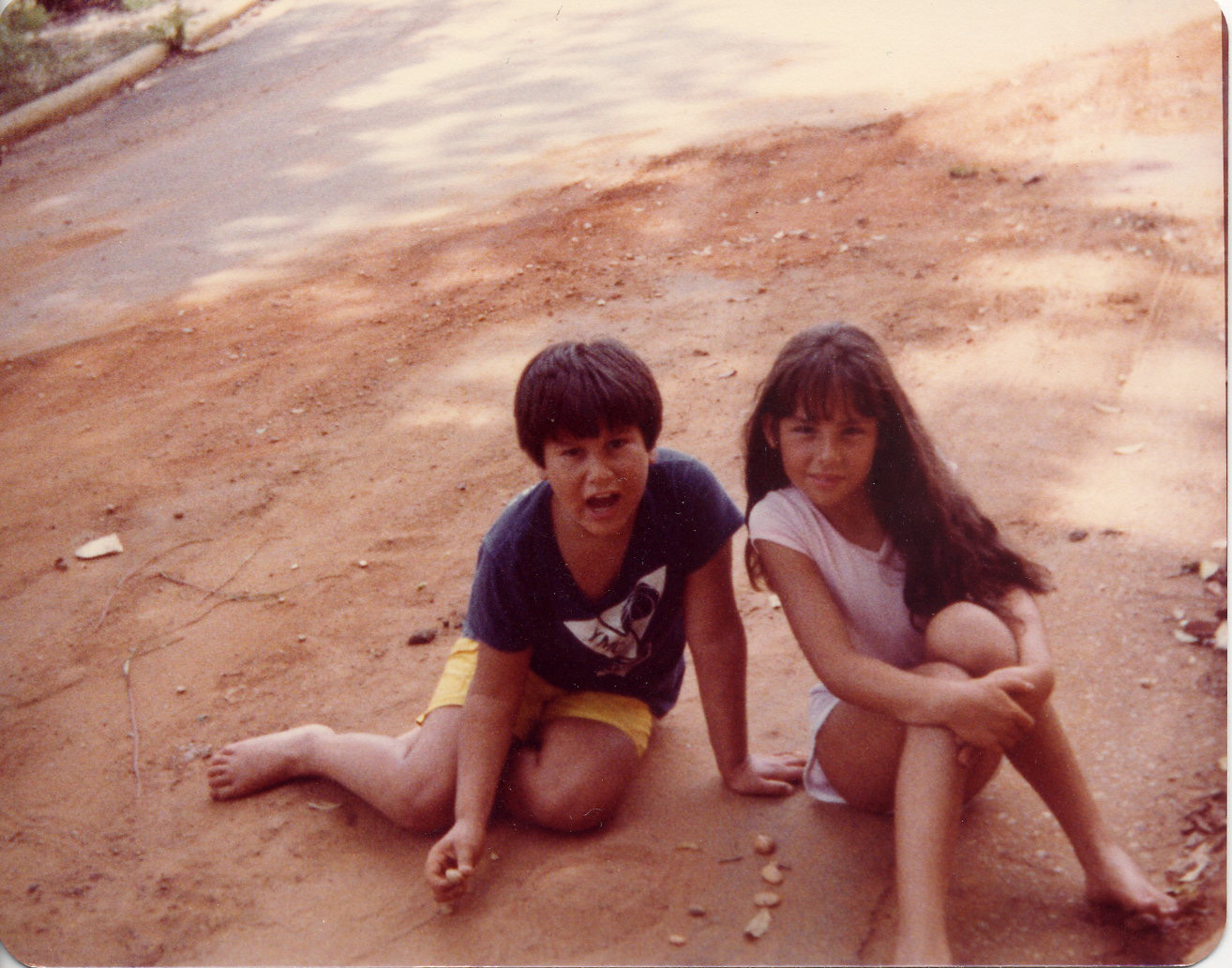
GiselaI don’t like the fact that I was sexually abused.  When I finally broke through the denial, with the help of my therapist, I was a complete mess.  However, it allowed for God to begin healing this wound that I had held onto for so long.  Being labeled a victim of childhood sexual abuse was not pleasant, it made me feel dirty, it made me feel like I was worse than I really am.  One of my friends in recovery let me know that I am no different today (the day I finally acknowledged it as sexual abuse) than I was yesterday (when I was “just” a recovering sex addict).  This helped me tremendously.  Breaking through the stigma of dirtiness and brokenness was difficult but necessary.  I still struggle with negative intrusive thoughts about the abuse and being unwanted or being broken.  However, I have come to understand that feeling “unwanted” is just a lie and also, God can’t fix me if I’m not broken….

Filed Under: Sexual Purity Posts Tagged With: addiction, affair, Affairs, anonymous sex partners, call girls, castimonia, child abuse, child sexual abuse, childhood sexual abuse, christian, escorts, gratification, healing, human trafficking, Intimacy, lust, masturbation, porn, porn star, pornography, pornstar, pornstars, prostitute, prostitutes, ptsd, purity, recovery, Sex, sex addict, sex addiction, sex partners, sexual, sexual addiction, sexual impurity, sexual purity, spouses, STD, strippers, trauma

April 19, 2013 By Castimonia

Adult Manifestations of Childhood Sexual Abuse

Adult Manifestations of Childhood Sexual Abuse
Full PDF article and figures can be found here:
http://publichealth.lacounty.gov/wwwfiles/ph/media/media/TPH-409.pdf

Background

While childhood sexual abuse (CSA) continues to be a major public health problem, an equally severe and silent epidemic are the estimated 39 million adult survivors of childhood sexual abuse in the United States who continue to exhibit aftereffects of CSA that predispose them to adverse psychosocial outcomes throughout their adolescent and adult life.

Early childhood traumas such as sexual abuse can have lifelong effects throughout adulthood, and the cost to society is high. Ninety percent of cases go unreported and untreated, as the symptoms of CSA are often misdiagnosed and unappreciated.

This article attempts to provide clinicians with awareness of the neurodevelopmental effects of CSA, the adult clinical symptoms, and the adverse psychosocial outcomes of CSA. It will also present tools to help identify the aftereffects of CSA in adulthood and provide mandated reporting protocols.

Definition

Sexual abuse is defined as any sexual activity that a child cannot comprehend or consent to. It includes acts such as fondling, oral-genital contact, and genital and anal intercourse, as well as exhibitionism, voyeurism, and exposure to pornography. A central characteristic of any abuse is the dominant position of an adult that allows him or her to force or coerce a child into sexual activity. Researchers have determined that child sexual abuse victims come from all cultural, racial, and economic groups. The lack of a universal definition of CSA contributes to the complexity of data collection and estimates.

Incidence and Prevalence

Currently, CSA prevalence in the U.S. is not known, but estimates vary from 12% to 40%. Incidence studies suggest that while on average 5.5 children per 10,000 enrolled in day care are sexually abused, a greater number of children (8.9 children per 10,000) are sexually abused in their home. Further CSA studies suggest that 53% of the abuse occurs in the home, 57% report the perpetrator was a family member, and 65% report repeated abuse. Overall, studies show that 1 in 3 females, and 1 in 6 males have experienced childhood sexual abuse by the age of 18.

While nearly 90,000 cases of child sexual abuse are reported each year in the U.S., between 88%-90% of CSA cases are estimated to be unreported and interestingly, between 21%-49% of CSA victims appear asymptomatic following victimization. The lack of disclosing a history of sexual abuse contributes to the lifelong effects of the abuse.

Neurodevelopmental Damage of CSA

Controlled studies have shown that adult survivors of child sexual abuse (ASCSA) are more likely to exhibit adverse psychopathologies in adulthood, and neuroimaging studies confirm that exposure to sexual abuse in childhood alters the neurobiology and neurostructures in the brain, leading to scarring, an abnormal neurohormonal response to future stressors, and predisposes the victim to a lifetime of negative consequences.

Neurological damage from sexual abuse alters early brain development, increasing the risk for psychopathology in adolescence and adulthood (Table 1). The hippocampus, responsible for new learning and memory, plays a critical role in recording emotions that are attached to a stressful event such as sexual abuse. The hippocampus is known to be very sensitive to stress. During stress, high levels of glucocorticoids are released, and over time (as observed among CSA victims, including those re-victimized) elevated levels of glucocorticoids damage neurons in the CA3 region of the hippocampus and lead to atrophy. While the hippocampus has been shown to regenerate neurons, stress inhibits neurogenesis.

Abnormalities of the hippocampus have been shown to be associated with pathological fear, mood imbalances, and anxiety reactions in trauma-related disorders (also hallmarks among ASCSA).

Magnetic resonance imaging (MRI) studies have demonstrated a 12% left hippocampal volume size reduction among adults who have been sexually abused in childhood as compared to healthy controls (Figure 1). Similar reductions are exhibited among subjects with trauma-spectrum disorders such as depression, dissociation, PTSD, and borderline personality disorder. In addition, the amygdala, responsible for emotional and fear regulation, is affected by early sexual trauma, resulting in similar psychopathologies.

Studies suggest sexually traumatized children are also less able to utilize both brain hemispheres to process experiences. The corpus callosum, a longitudinal fissure that connects the left and right cerebral hemispheres, is shown to be abnormal in sexually abused children. Generally, the left side of the brain processes positive emotions and logical thinking, and the right processes negative emotions such as fear. When the corpus callosum is not operating properly these processes are unable to function at the same time, thus supporting theories why many abused individuals divide people into “all good” or “all bad” and exhibit mood swings, as observed in borderline patients.

Adult Manifestations of CSA

There is no adopted definition to identify the symptoms exhibited among ASCSA; however, evidence-based research has confirmed long-term effects of CSA in adolescence and into adulthood. Later in their lives, many ASCSA, whether reported or not, exhibit psychopathology, acting-out behaviors (social dysfunction), relationship problems (interpersonally), somatic symptoms, and sexual disorders.

CSA survivor studies suggest that ASCSA use health care services more often than the general population, are shown to exhibit more somatic symptoms that do not respond to medical treatment, and present more severe and complex symptoms.The response to sexual abuse during childhood varies, and is largely dependent on 1) age at onset; 2) severity; 3) duration; 4) relationship to the perpetrator; 5) the child’s resiliency; and 6) stability of and support from the family.

Childhood survivors might initially seem unaffected by the trauma; however, by adolescence and adulthood, the consequences eventually become symptomatic, resulting in eating disorders, dissociation, phobias, obsessions, borderline personality disorder, depression, anxiety, bulimia, obesity, post traumatic stress disorder, hallucinations, conduct disorder, substance abuse disorder, panic disorder, antisocial personality disorder, affective disorder, and impaired sense of self.

Behavioral Effects of CSA 

Acting out

Children are limited in their physical, cognitive, and emotional development and, thus, dependent upon adult and often sibling caregivers to provide love, trust, and support. Once a child is violated however, shame and stigma often follow, as well as fear that disclosing the abuse will result in re-victimization, loneliness and isolation, physical violence, and death. Poor coping skills are common among this cohort, such as substance abuse, tobacco use, overeating, addiction, lying/stealing, poor academic performance, expectation of early death, poor adherence to medical treatment, suicide, anger, prostitution, and increased risk of sex crimes.

Relationship problems

Controlled studies identify an association between childhood sexual abuse and adult relationship problems. Adult manifestations of CSA increase the risk of intimate partner violence victimization and perpetration, rape after 18 years of age, low self-esteem, intimate relationship problems, divorce, interpersonal problems, victim-perpetrator cycle, superficial idealization of sexual relationships, and the inability to trust others.

Somatic symptoms

Evidence illustrates that CSA also results in biophysical changes. ASCSA show a decreased threshold for pain. Other effects include a heightened sensitivity in the pelvic or abdominal region, various bowel symptoms, musculoskeletal disorders, back pain, severe headaches, gastrointestinal problems, sleep disorders, asthma, and pseudocyesis.

Sexual disorders

Adult manifestations of CSA increase adolescent and adult risk of exposure to sexually transmitted diseases, compulsive sexual behaviors, early sexual activity, extreme masturbation, sexual promiscuity, poor sexual adjustment, poor contraceptive practices, and teen pregnancy.

Functional amnesia

Functional amnesia (dissociative amnesia–dissociative disorders) can develop after severe trauma, such as child sexual trauma. This is especially true among children experiencing severe sexual trauma or in those aged 5 years or younger. Functional amnesia among CSA cases varies widely, from 19% to 88%. While theories about amnesia and delayed recall of CSA vary and may be controversial due to false memories, it is important to recognize that later in adolescence or adulthood, the victim may not recall the experience. Additionally, if the abuse occurred in middle childhood, ages 6-12, the victim may 1) develop false memories that the abuse ever occurred; 2) be in denial; or 3) be unaware that the type of experience was determined to be sexual abuse. 

Role of the Clinician

The clinician plays an important role in caring for adult survivors of childhood sexual abuse. Because the presenting symptoms can be somatic in nature, the role of CSA in the patient’s illness or presenting symptoms can be overlooked.

Despite never reporting the abuse, 85% of adult survivors of child sexual abuse favor physician screening. Directly asking patients about the occurrence of abuse has been shown to elicit more positive responses compared to self-reporting, 29% versus 7% respectively. Further, especially among adolescent patients, it is important to remember that early disclosure of sexual abuse by the victim is critical to reducing the effects of CSA and to helping reduce psychological distress later in life. Symptoms of ASCSA can vary greatly and, in fact, the patient can be asymptomatic.

Evidence-based research suggests that many interventions can be useful in this population. For example, coping-skill interventions seem to help diminish or prevent post traumatic stress disorder and related adult aftereffects of CSA. Physicians can use the SAVE universal screening tool (Table-2) for childhood sexual abuse in adulthood, developed by the Florida Council Against Sexual Violence. This useful tool screens patients for sexual violence.

Physicians should also be familiar with their own hospital, clinic, or HMO policies and procedures regarding sexual violence reporting, as well as the use of specific reporting forms. The California Medical Training Center develops instructional materials and conducts training in clinical forensic medicine techniques for physician and other health care professionals, social workers, and related reporters.


James M. DeCarli, MPH, MPA, CHES
Injury and Violence Prevention Program
Los Angeles County Department of Public Health

Filed Under: Sexual Purity Posts Tagged With: addiction, affair, Affairs, alcohol, alcoholic, anonymous sex partners, call girls, castimonia, Character Defects, christian, Emotions, escorts, father wound, gratification, healing, human trafficking, Intimacy, lust, masturbation, meeting, porn, porn star, pornography, pornstar, pornstars, prostitute, prostitutes, ptsd, purity, recovery, resentment, Sex, sex addict, sex addiction, sex partners, sexual, sexual impurity, sexual purity, spouses, STD, strippers, trauma

April 16, 2013 By Castimonia

Effects of Childhood Sexual Abuse, Part 6

Effects of abuse on children, part 6
By Paul Irby Special to the Abilenian
Abilene Reporter-News
Posted June 10, 2009 at 3:25 p.m.

Over the last five months we have examined the possible effects of childhood sexual abuse on its victims. These effects were considered with regard to the impacts on cognitive, emotional and behavioral dimensions. In this article bringing a close to this series, I would like to address some common myths or misconceptions prevalent in our society.

The first misconception to be addressed is the narrow definition often assigned to sexual abuse. A complete conception of sexual abuse should also include exposure to graphic sexual material. Exposure can include Internet, magazines and video, as well as witnessing adults engaging in sexual acts. It should be clarified that a child who accidentally wanders in on parents having sex one time will not be forever psychologically damaged. Exposure becomes damaging and abusive when sex and sexual material is available frequently, without discrimination and/or purposely targeted to the child.

The second misconception to be addressed is the notion that victims of sexual abuse are somehow destined to perpetrate the abuse on other children. While it cannot be denied that the vast majority of abusers were abused themselves, it cannot and should not be assumed that the majority of abused children will become abusers. It is understandable how this misconception can be perpetuated given the increased likelihood that most abuses (physical, emotional and neglect) are handed down intergenerationally. Physical and emotional abuse are most likely to be handed down from generation to generation because they are usually impulsively expressed through anger and modeled frequently. Neglect is a more passive abuse, and is usually intergenerational because of lack of education and intervention. Sexual abuse is different in that it usually requires premeditation and incremental “grooming.” It is this premeditative nature of sexual abuse that decreases the likelihood of intergenerational transference compared to other abuses. It should also be noted that no victim of any form of abuse is destined to repeat it.

Lastly, I would like to offer some insight to parents who might be wondering how to best respond to their child who has been sexually abused. Typically there are two extreme responses parents can have, both of which are not best for the children. The first extreme is to “sweep” the abuse “under the carpet” after the initial disclosure, the family seeks to reduce the anxiety and awkwardness of talking about the abuse modeling an unwritten rule that this subject is now somehow taboo. The other extreme is when parents begin to define their child by the abuse, and consistently bring up the subject either in direct conversation or by initiating new rules for the child, such as not being alone with friends, going to friends’ houses and not being able to spend the night with friends. The best response parents can have is to resume normalcy in the routine at home and to let the child know that the parent is concerned about how the child might be dealing with being abused and is willing to listen if the child ever desires to talk about it.

I would like to personally thank executive director Kirk Hancock and the Mental Health Association of Abilene for allowing me to contribute these articles that I hope can be used as part of the healing dialogue in our community.

Paul Irby, M.A., is a licensed professional counselor with the Ministry of Counseling and Enrichment. Mental Health Matters is facilitated by the Mental Health Association in Abilene.

Original article found here:
http://www.reporternews.com/news/2009/jun/10/effects-abuse-children-part-6/

Filed Under: Sexual Purity Posts Tagged With: abuse, addiction, affair, alcohol, anonymous sex partners, call girls, castimonia, Character Defects, child abuse, childhood sexual abuse, children, christian, Emotions, father wound, gratification, healing, human trafficking, lust, masturbation, meeting, porn, pornography, pornstar, prostitute, ptsd, purity, recovery, Sex, sex addict, sex addiction, sex partners, sexual, sexual impurity, sexual purity, spouses, STD, strippers, trauma

April 13, 2013 By Castimonia

Effects of Childhood Sexual Abuse, Part 5

Effects of abuse, part 5
By Paul Irby Special to the Abilenian
Abilene Reporter-News
Posted May 6, 2009 at 3:59 p.m

Since December, Mental Health Matters has featured one story a month examining the effects of childhood sexual abuse on its victims. Different dimensions to the individual have been considered, which include cognitive, emotional and behavioral. This order was chosen to illustrate the progression of abuse effects, beginning with how a child sees the world and self resulting in emotional experiences that lead to the behaviors which are the first noticeable signs. The behaviors that were last discussed were linked primarily to emotions such as fear, anger, depression and anxiety. This month’s article again focuses attention on the behavioral components that usually don’t manifest until puberty and later. The hope is that by discussing these issues, some insight will be gained into the possible motivations of these behaviors.

One important area to consider, especially in understanding victims of sexual abuse, is the impacts the abuse can have on the survivor’s sexual behaviors. As the person enters into puberty and subsequent arrival of sexual desire, there are two extremes that could possibly manifest.

The first is hypersexuality, which should be understood as an atypical promiscuity among peers. This hypersexuality in the life of an abuse victim is often misinterpreted by family and friends as evidence that the abuse may not have been as traumatic as once thought. However, nothing could be further from the truth. Many victims become hypersexual because sex for them was always something forced beyond their control and this hypersexuality is a means of having control over when and with whom they have sex. Another possible reason for the hypersexuality is to use sex as a means of retribution for their abuse. Sex in this context is seen as a tool for manipulation and self-gratification. One motivation for hypersexuality is linked most commonly among those who had a same-sex abuser. When a child has a same-sex abuser, this can cause confusion and concern in the victim that somehow the abuse will “make me homosexual.” Those with a same-sex abuser may become hypersexual in an attempt to concretely prove and reinforce to themselves that he/she is not homosexual. This understanding should not be somehow aligned with the myth purported in our society that gays and lesbians are pedophiles or that sexual abuse is a “cause” of same-sex attraction.

The other possible extreme of sexual behaviors manifested in the life of a sexual abuse victim is that this victim becomes asexual, which should be understood as having extremely low or no sexual desire. For the abuse survivor who is asexual, often it is because sex for them is so closely associated with their abuse/abuser and is viewed as a filthy violation.

Addictions also develop in the lives of abuse victims. Having worked with some victims who also had a history of substance addictions, a common scenario has developed. Stemming from the original notion that he/she is different from other people because of the abuse, in early adolescence any social invitation is viewed as a chance to “feel normal and accepted.” Often at social gatherings this person is offered his/her first drink or hit of a drug. Accepting this offer again can validate acceptance and “normalcy,” and often has the added affect of numbing the child from feeling depressed, fearful or angry. Add to this a predisposition for addiction and an addict is born.

It is important to keep in mind that hypersexuality, asexuality and addictions occur in a variety of arenas for a variety of causes, and not every person who possesses these signs are victims of sexual abuse. As we have discussed, it is the underlying motivation behind them that links them with abuse.

Paul Irby, M.A., is a licensed professional counselor with the Ministry of Counseling and Enrichment. Mental Health Matters is facilitated by the Mental Health Association in Abilene.

© 2009 Abilene Reporter-News. All rights reserved. This material may not be published, broadcast, rewritten or redistributed.

Filed Under: Sexual Purity Posts Tagged With: abuse, addiction, affair, Affairs, anonymous sex partners, call girls, castimonia, Character Defects, children, christian, Emotions, escorts, father wound, gratification, healing, human trafficking, Intimacy, lust, masturbation, porn, porn star, pornography, pornstar, pornstars, prostitute, prostitutes, ptsd, purity, recovery, resentment, Sex, sex addict, sex addiction, sex partners, sexual, sexual abuse, sexual addiction, sexual impurity, sexual purity, spouses, STD, strippers, trafficking, trauma

April 11, 2013 By Castimonia

Rick Pitino’s Rise Back to the Top

Originally posted: http://www.cbssports.com/collegebasketball/blog/eye-on-college-basketball/22032475/rick-pitinos-rise-back-to-the-top–

By: Jeff Goodman
College Basketball Insider

ATLANTA — Rick Pitino stood a few feet to the side of the basket, his hand interlocked with his wife Joanne’s. Neither were unable to contain their emotion as One Shining Moment blared throughout the Georgia Dome. This had to be a dream.

Pitino’s marriage nearly fell apart five years ago after he admitted to having sexual relations with another woman and it played out in front of the country, even the world, in the media. There were jokes, there was humiliation. His career seemed over a couple years ago when he was getting annihilated on the court and in recruiting circles by the guy who he couldn’t stand, Kentucky’s John Calipari.

But here he was, hugging and kissing his bride of more than 35 years, in a scene that didn’t look improbable not all that long ago. It looked virtually impossible.

There he was, sitting on the podium exactly one year after Calipari won his first title, becoming the first coach in history to get one with two different schools.

It had been an emotional week, beginning on Wednesday when he almost simultaneously learned that his son, Richard, had accepted the Minnesota job and also that he had been elected to the Hall of Fame. Just following the win Saturday against Wichita State in the national semifinals, Pitino watched the replay of his horse, Goldencents, winning the Santa Anita Derby, thus qualifying for the Kentucky Derby.

Then he cut down the nets on Monday night after Louisville’s 82-76 victory over Michigan in the national title game.

It’s all been against the odds for Pitino, whose life has been a virtual roller-coaster ride over the last couple decades or so. There was the national title in 1996 with Kentucky, then the train wreck three-plus seasons in Boston with the Celtics. He took Louisville to a Final Four, but then came the Sypher mess, in which she tried to extort him and also claimed it was rape.

“We’re a family that’s had a lot of difficult times,” Rick Pitino said.

“Our family has been through a lot,” his son, Richard, added. “But it’s made us stronger. It’s made my dad stronger.”

Pitino has moved past it, but won’t ever forget. He won’t forget his best friend, his brother-in-law Billy Minardi, who died in the World Trade Center attacks back on Sept. 11. He won’t forget about what he did to his family with the Sypher situation. He won’t forget where this program was just a few years ago when everyone had written him off following a 20-13 campaign in which the Cardinals were knocked out of the tournament in the first round.

That’s what makes this so special. That’s what makes this smile so real.

Rick the Ruler is gone. Sure, he still yells and screams at his players, he still makes his assistant coaches make a certain weight. But he’s not the same guy he was the last time he cut down the nets in 1996.

“He’s changed,” Richard Pitino said. “He’s been humbled.”

He had no choice. That’s what nearly losing everything will do to an individual. He nearly lost his family, and nearly watched his career be taken away.

Pitino didn’t take shots at Calipari this season even though he certainly could have done so with that “other” team struggling to an NIT bid. Instead, he elected to take the high road, when that wasn’t always the case in the past. Pitino has grown, as a person and a coach. This group wasn’t nearly as talented as the one in ’96 that was loaded with pros, but it won because the players genuinely bonded with one another and their coach.

Pitino appeared in a state of shock as the clock ticked down and the final buzzer sounded. It was less than three years ago that he was testifying against Sypher, about the same time as Calipari wasn’t just ruling the state of Kentucky, but also ruling the entire college basketball world.

There was no way Pitino would ever be relevant again, not as long as Calipari was breathing in the Commonwealth. A year ago, Calipari took a bunch of heralded recruits and cut down the nets in New Orleans. Pitino also snipped the nets, but he did it by developing and coaching his players. There may not be a single player on this year’s team that gets selected in the first round of June’s NBA Draft. Calipari had four players off last year’s group hear their names uttered in the first round.

Pitino called his entire family up on the makeshift stage in the center of the court moments after the players had finished cutting down the nets. It was time for a photo. Children, grandchildren, nieces and nephews. There were more than 25 people — and every last one of them was smiling.

None more than Joanna Pitino.

“I can’t even put it into words,” she said. “It’s overwhelming.”

The last few years have been overwhelming for the Pitino family. There have been tragedies, humiliation and losses.

But Rick Pitino has somehow managed to overcome it all and wind up back on top.

Filed Under: Sexual Purity Posts Tagged With: addiction, affair, Affairs, anonymous sex partners, Basketball, call girls, Cardinals, castimonia, Character Defects, christian, escorts, gratification, healing, human trafficking, Intimacy, Jesus Christ, Louisville, Louisville Cardinals, lust, masturbation, NCAA, porn, porn star, pornography, pornstar, pornstars, prostitute, prostitutes, purity, recovery, redemption, Rick Pitino, Sex, sex addict, sex addiction, sex partners, sexual, sexual addiction, sexual impurity, sexual purity, spouses, strippers, trauma

  • « Go to Previous Page
  • Page 1
  • Interim pages omitted …
  • Page 312
  • Page 313
  • Page 314
  • Page 315
  • Page 316
  • Interim pages omitted …
  • Page 343
  • Go to Next Page »

Footer

Useful Links

Castimonia Restoration Ministry, Inc. is a 501c3 non-profit organization


This site is intended for individuals who struggle with maintaining sexual purity. This information is posted for individuals at various stages in their recovery, year 1 to year 30+; what applies to some, may not apply others. Spouses are encouraged to read this blog with the caveat that they may not agree with, understand, or know the reason for some items posted. As always, take what you like and leave the rest.

Copyright © 2026 Castimonia Restoration Ministry


Loading Comments...