• Skip to main content
  • Skip to footer

CASTIMONIA

Sexual Purity Support & Recovery Group

  • Home
  • About Castimonia
    • Statement of Faith
    • Member Struggles
    • Are You a Sex Addict?
    • About the Leaders of Castimonia
  • Meetings
    • What to Expect at a Castimonia Meeting
    • Meeting Times & Locations
      • Alaska Meetings
      • Arkansas Meetings
      • Mississippi Meetings
      • New York Meetings
      • Ohio Meetings
      • Tennessee Meetings
      • Texas Meetings
      • Telephone Meeting
      • Zoom Online Meetings
  • News & Events
  • Resources
    • Books
    • Document Downloads
    • Journal Through Recovery
    • Purity Podcasts
    • Recovery Videos
    • Telemeeting Scripts
    • Useful Links
  • Contact Us

child sexual abuse

April 25, 2013 By Castimonia

Japan’s child porn addiction

Japan’s child porn addiction

A nation that openly sexualises youngsters has become the world hub for a dark, booming industry. Now police have decided to tackle the culture of abuse
by David McNeill, October 12, 2012

It was a shocking find: crudely made DVDs with images of grown men having sex with children as young as 12. Until this year, the men who bought those images faced little more than a slap on the wrist. But police in Kyoto, Japan’s ancient capital, decided for the first time during the summer to pursue criminal charges against three male customers in a country widely seen as much too lenient on child pornography.

The police campaign is largely the work of Kyoto’s prefectural Governor, Keiji Yamada. During his fight for office two years ago, Mr Yamada pledged to roll out an ordinance banning the buying and possession of child porn – still legal under Japanese law, unless there is proven intent to sell or distribute. Even if the makers are arrested, the images circulate for years on the internet and in secondary markets.

Child porn-related crimes have grown fivefold in Japan through the last decade, according to the country’s National Police Agency. At least 600 children a year fall victim to paedophile directors and photographers. “The internet is probably the biggest factor,” said Akira Koga, spokesman for the Kyoto Police. “It’s very difficult to monitor and control.” A new police cyber patrol uncovered the trail back to the three men from the DVD producer in Tokyo.

Japan has long been considered a hub for the production and possession of paedophile images. It is the only OECD (Organisation of Economic Co-operation and Development) nation that has not banned possession of child porn, partly to protect its manga and anime industries, which churn out thousands of titles every year that sail close to the legal wind. A government survey in 2002 found that 10 per cent of Japanese men admitted to owning child porn at some stage.

Bookstores and convenience stores across the country stock magazines carrying semi-naked pictures of pubescent and pre-pubescent children. Many underage girls have built careers as so-called “junior idols”, posing in suggestive poses. In the electronics district of Akihabara, Tokyo’s capital of geeky cool, tourists gawk at cartoon images of children in various stages of sexual distress, all perfectly legal. One of the nation’s most popular pop groups, AKB48, features a revolving cast of members, some as young as 13, persuaded to pout in adult lingerie for videos and magazine covers.

The UK-based Internet Watch Foundation traced nearly 16,250 websites depicting child abuse back to Japan in 2006, enough to put it third on a global watch list. In 2009, the Canadian Centre for Child Protection placed Japan fourth among the top five countries hosting websites with child abuse images, according to ECPAT International, an NGO that fights to end the commercial exploitation of children.

Campaigners engaged in a cat-mouse-game with paedophiles across the world say a new approach is long overdue. “The US is very frustrated with Japan,” says Jake Adelstein, a journalist and board member with the Polaris Project Japan, a non-profit organisation that combats human trafficking and sexual exploitation. “The FBI and Homeland Security Investigations give Japan’s police hundreds of tips on child pornography makers and distributors every year and none of them are acted upon.”

Police complain that they do not have the legal resources to fight the problem. Japan only banned the production and distribution of child porn in 1999, mandating punishment of up to five years in prison. Kyoto today is still the only one of Japan’s 47 prefectures that threatens prison for possessing child porn. Since Governor Yamada’s ordinance, possession carries a maximum one-year jail term or a fine of up to 500,000 yen (£4000).

One reason for the reluctance to roll out new national legislation is the fear that police may use it too liberally, threatening freedom of creative expression. Conservative politicians have long demanded a clampdown on pornographic images. Two years ago, Tokyo’s metropolitan assembly banned the sale or rent of comics and anime movies depicting younger characters engaging in “extreme” sexual acts, including rape.

But the ban was resisted by Japan’s biggest publishers, who produce hundreds of risqué manga a year featuring fetishism, incest and “Lolita porn”, along with more mainstream fare. The Tokyo Bar Association also criticised the wording of the legislation, warning that it could be the thin edge of the censorship wedge against sexualised images of any kind. The association and many legislators want the police to continue targeting producers and distributors of child porn, not consumers.

Opinion polls suggest that most Japanese voters want stricter laws. But with parliament essentially gridlocked ahead of a general election, widely expected this autumn, there is little appetite for a messy political fight over what is seen as a relatively minor issue. The ruling Democratic Party (DPJ) has shelved a 2008 draft law that would have banned any involvement in child pornography. Their conservative opponents, the Liberal Democrats, have promised a tougher line.

Until then, say campaigners, paedophiles will continue to have the upper hand. “Child pornography prosecutions almost always involve images contained on computer hard drives or start with an internet protocol (IP) address that is known to have accessed child pornography material,” said a spokesperson for ECPAT International. “The fact that Japanese courts cannot grant search warrants based on IP address information hampers the fight against child pornography.”

The organisation warns that Japanese police cannot coordinate with international sting operations because domestic law is out of sync with most of the developed world.

As if to underline the legal challenges ahead, Kyoto police say prosecutors have declined to press charges against the three men, citing a lack of evidence. The three bought the DVDs from a dealer in Tokyo after seeing them advertised on the internet. Police raided the dealer’s house and found transaction records showing many more customers around the country. Unfortunately for the victims, few of the men can be prosecuted, even when the law works well.

Filed Under: Sexual Purity Posts Tagged With: addiction, Anime, child porn, child pornography, child sexual abuse, children, human trafficking, Japan, Manga, masturbation, porn, porn star, pornography, pornstar, pornstars, prostitute, prostitutes, purity, recovery, Sex, sex addict, sex addiction, sex partners, sexual, sexual addiction, sexual impurity, sexual purity, trafficking

April 22, 2013 By Castimonia

I Was in Denial About My Childhood Sexual Abuse

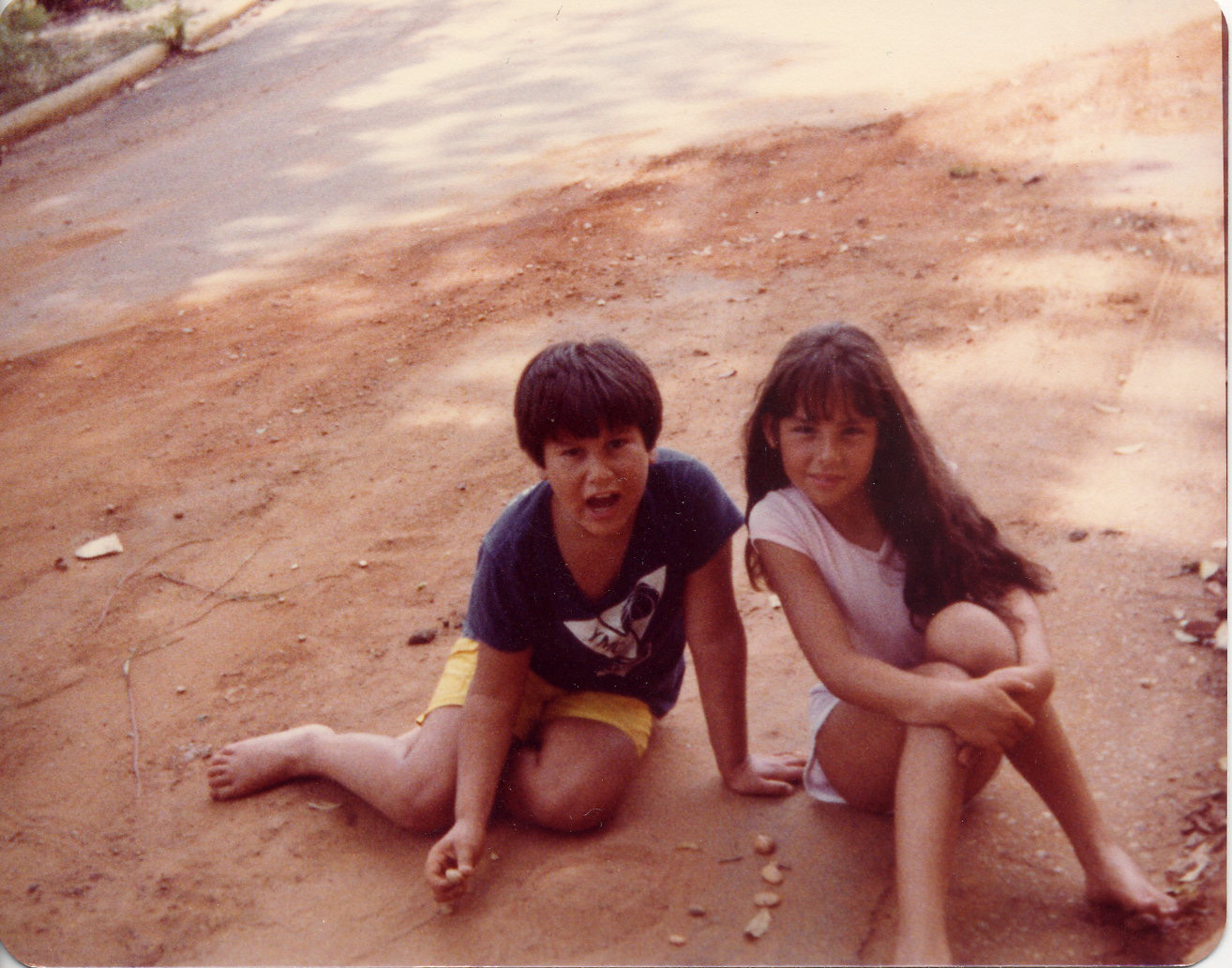
This is a very painful subject for me, something I really don’t like to talk about.  However, since the month of April is childhood abuse month, I figured I would tell a small part of my life story.  I was sexually abused from age 3 until age 7.  I continued to act out sexually on a nearly a daily basis until I entered recovery at age 33.  It took me three years of recovery and therapy to finally admit that I was sexually abused as a child.  Because of the circumstances, I was in complete denial about my abuse and my abuser.

Scan59The reason I was in denial is because the girl that abused me was just a little older than me, maybe 6 months or a year.  When my family moved away from our home country to a university setting in the United States, I didn’t know many children that spoke my native tongue.  She did and it was a relief that I could speak to her and she could speak to me and we could understand one another.  I was around 3 years old at this time.  I don’t remember all of the details of our relationship, but a few points do stand out.  I recall the time we hid from our parents (her idea) and we snuck into the university swimming pool that was located about 2 miles from our apartment complex.  Apparently our parents called the police and everyone was looking for us while we enjoyed ourselves at the pool.  I don’t recall what occurred when we came home but knowing my parents, it wasn’t good.

I trusted this girl a lot, so when she decided we should play sexual games together, I went along with her.  I do recall the words to this day she spoke to me in my native tongue stating, “don’t tell your parents.”  I didn’t tell my parents, not until 30+ years later when I entered recovery.  Even then, I minimized the fact she abused me for 4 years, I was still in denial.  Amazing how I always thought my parents suspected something but when I asked them about it, they said they never knew.  She and I were together almost every day and the sexual activities were basically based on what she wanted to do to me, with me, and with other boys at the apartment complex.  I don’t know where she learned all these things, but I suspect her older siblings or parents had something to do with it, perhaps with pornography and or an extremely liberal stance on human sexuality.  I may never know the answers, nor do I wish to pursue them.

I do know that this sexual abuse and what I thought was “love” has affected the rest of my life up until I entered recovery.  I believed this girl loved me, that she and I would be together forever.  Why else would she want to do sexual things with me?  Allowing her violate me sexually was the way I showed her that I too loved her.  As an adult, I repeated this same love = sex behavior thousands of times.  For a majority of my life, I had the belief that being sexual with a woman meant I loved her and she loved me.  A woman who wanted to be sexual with me, who initiated sex with me, who pursued me sexually was a woman that loved me: this is what I believed for 30+ years.  This idea was ingrained in me by my abuser, an idea I still struggle with on occasions.  I’m not attempting to minimize by saying that it could have been worse, I could have been abused by an adult, but in actuality, the fact that it was another child, masked the abuse, keeping me living in denial for so long and in turn pursuing a false sense of love.  The abuse was not traumatic, it was what I used to consider consensual; I believed it was because I enjoyed it.  As an adult, I reenacted various things we did together, with other women, ultimately believing I was fulfilling some great fantasy locked within the depths of my mind.  The saying “follow your fantasy and you’ll find your wound” makes perfect sense to me now.

GiselaI don’t like the fact that I was sexually abused.  When I finally broke through the denial, with the help of my therapist, I was a complete mess.  However, it allowed for God to begin healing this wound that I had held onto for so long.  Being labeled a victim of childhood sexual abuse was not pleasant, it made me feel dirty, it made me feel like I was worse than I really am.  One of my friends in recovery let me know that I am no different today (the day I finally acknowledged it as sexual abuse) than I was yesterday (when I was “just” a recovering sex addict).  This helped me tremendously.  Breaking through the stigma of dirtiness and brokenness was difficult but necessary.  I still struggle with negative intrusive thoughts about the abuse and being unwanted or being broken.  However, I have come to understand that feeling “unwanted” is just a lie and also, God can’t fix me if I’m not broken….

Filed Under: Sexual Purity Posts Tagged With: addiction, affair, Affairs, anonymous sex partners, call girls, castimonia, child abuse, child sexual abuse, childhood sexual abuse, christian, escorts, gratification, healing, human trafficking, Intimacy, lust, masturbation, porn, porn star, pornography, pornstar, pornstars, prostitute, prostitutes, ptsd, purity, recovery, Sex, sex addict, sex addiction, sex partners, sexual, sexual addiction, sexual impurity, sexual purity, spouses, STD, strippers, trauma

April 7, 2013 By Castimonia

Effects of Childhood Sexual Abuse, Part 3

Effects of abuse, part 3
By Paul Irby Special to the Abilenian
Abilene Reporter-News
Posted February 4, 2009 at 1:08 p.m.

This third article in the series of six reflects what can be called a continuation of a chain reaction beginning with the cognitive impacts discussed last month, which lead to the emotional experiences discussed in this article. The most common emotional experiences a sexually abused child encounters include fear, anxiety, anger, guilt and shame.

Fear and anxiety are closely related emotions. Many of their physiological and psychological experiences are identical. Fears and anxieties experienced by an abused child can be specific to gender, age range, status or race. When these fears are category-specific it is most likely tied to associations with the abuser. Fears and anxieties can also be more broad and general. Common generalized fears of abused children include the fear of their secret being found out, being rejected by peers and being emotionally vulnerable which would ultimately lead to being betrayed by someone else.

I recall working with a 23-year-old man who had been sexually abused by his mother from the age of 6 until the age of 21. One of the main reasons for his desire to seek therapy was “feeling angry all the time.”

I explained to my client that when I hear someone make such an assertion that my mind immediately returns to what I know to be the nature of anger. Anger is a secondary emotion. Quite literally, what that means is that anger is what we feel second in the sequence of emotional experience. Most often what is felt first is some kind of fear. This is only true of genuine anger, not frustration or irritation.

Think back to your own experience of being cut off in traffic. We can easily identify the feelings of anger toward that driver and our subsequent desires to express that anger. If someone were to ask you how you felt after being cut off, you would probably frame this experience as one that prompted anger. However, if we were to trace back the very first emotional experience, it would be one of fear. For the driver, it is the fear that the vehicle or self might be hurt, and the fear quickly manifests itself into anger. So, when I heard my client contend that he was “angry all the time,” we began a discussion of what fears are present that lead to his consistent feelings of anger. In reality one who has been abused, who walks around angry “all the time,” is living with pervasive fear. Anger was the way in which this person chose to protect himself from the fears becoming a reality.

Guilt and shame are often used interchangeably in our language, but an important distinction was made to me by one of my wise clients. He defined guilt as “believing you did something bad” and shame as “believing you are a bad person.” When considered in the framework of one who was sexually abused as a child, this is one of the biggest lies he or she can believe. While much of our society can look from the outside in to another’s experience and logically make a case finding fault in the abused child’s reactions or responses, these outsiders are wrong. Often they will say things like, “well you shouldn’t have kept it a secret so long,” not recognizing the power of intimidation, fear and humiliation that maintains the secret. Abusers use sick “logic” to rationalize abuse, claiming that the child “flirted” with them or “wanted it as much as they did.” These abusers fail to recognize their humane responsibility as adults to the welfare of children, and often confuse affection for sexual advancement.

Survivors of abuse will internalize these inaccurate beliefs that result in feelings of guilt and shame. Children should never be blamed for abuse perpetrated against them.

Paul Irby, M.A., is a licensed professional counselor with the Ministry of Counseling and Enrichment. Mental Health Matters is facilitated by the Mental Health Association in Abilene.

The original article can be found here:
http://www.reporternews.com/news/2009/feb/04/effects-abuse-part-3/

Filed Under: Sexual Purity Posts Tagged With: abuse, addiction, affair, Affairs, alcohol, alcoholic, anonymous sex partners, call girls, castimonia, Character Defects, child abuse, child sexual abuse, children, christian, Emotions, escorts, father wound, gratification, healing, human trafficking, Intimacy, lust, masturbation, meeting, porn, porn star, pornography, pornstar, prostitute, prostitutes, ptsd, purity, recovery, resentment, Sex, sex addict, sex addiction, sex partners, sexual, sexual addiction, sexual impurity, sexual purity, spouses, STD, strippers, trauma

April 4, 2013 By Castimonia

Effects of Childhood Sexual Abuse, Part 2

Effects of abuse, part 2
By Paul Irby Special to the Abilenian
Abilene Reporter-News
Posted January 7, 2009 at 11:28 a.m.

Last month we examined the multifaceted reasons why some children who are sexually abused seem to have more intense and pervasive effects from the abuse and why other children seem more resilient. This month we begin taking a look at what some of those effects can be. Just as the factors leading to these effects are multifaceted, these impacts are multidimensional. Also, keep in mind that the effects mentioned are possibilities, and not all survivors of abuse will experience all of the signs or symptoms detailed in this and subsequent articles. Although we are going to be examining these dimensional impacts in separate articles, they are connected. We know that how we think and what we believe influences the way we feel, and how we feel influences our behavior. Therefore, we begin our discussion with the cognitive or mental impacts sexual abuse can have on its’ victims.

Flashbacks and nightmares are two of the more widely known residual cognitive manifestations. Flashbacks can be triggered environmentally or experienced as unexpected seemingly spontaneous intrusive thoughts. The most common environmental triggers are associated with sight and smell. Seeing the abuser (or even someone resembling the abuser), visiting the location of the abuse, and encountering odors associated with the abuser or location of the abuse are obvious triggers. More subtle triggers are associated with other senses, such as hearing certain phrases, voice tones, inflections and encountering certain textures.

Flashbacks are generally experienced in one of two ways. Either the survivor experiences memories of the abuse like a terribly vivid movie playing in their mind, or they have a memory that causes them to consider all the ways they could have done something differently, further exacerbating the harmful myth that they had a role in perpetuating the abuse.

Nightmares are an issue that deals with the unpredictable and irrational subconscious, and therefore it is difficult to have truly insightful comment. Therefore, my input here is fairly limited. Nightmares can have varying degrees of frequency and intensity. Some experience recurrent nightmares (the same nightmare over and over), while others have different nightmares that reflect or distort what they encountered. Some antidepressant medications, such as Cymbalta, have been associated with more vivid and realistic feeling dreams. Please consult your prescribing physician if you have questions related to medication side-effects.

Beliefs that survivors of abuse develop about themselves and the world around them are other devastating cognitive impacts. Consider for a moment your own experience of sitting in a restaurant and noticing couples or families sitting together and seemingly enjoying a meal. It is most people’s natural tendency to assume the best about those whom we observe. We assume the couple are happy and in love or that the family is healthy and stable.

Between the ages of 10 and 13 children begin to develop more abstract, deductive and inductive reasoning. Along with this development, the abused child comes to the correct understanding that his home life and/or experiences are different from what he has seen on the Disney channel or read about in books. This child who is at school or other social places with peers begins to make the same assumptions as we do. However, these assumptions often lead to the distorted belief that no one else’s home life is like theirs and, therefore, they are different from everyone else.

Being exposed to the trauma of sexual abuse often leads its’ victims to believe that the world or certain aspects of it are untrustworthy and unsafe. This is especially true of the child who is abused by a parent or other family member who is “supposed to be” trusted. It is these core beliefs that the child develops about themselves and the world around them that lead to feelings of depression, anxiety, fear, anger, shame and guilt that will be explored in this article next month.

Paul Irby, M.A., is a licensed professional counselor with the Ministry of Counseling and Enrichment. Mental Health Matters is facilitated by the Mental Health Association in Abilene.

Original article found here:
http://www.reporternews.com/news/2009/jan/07/effects-abuse-part-2/

Filed Under: Sexual Purity Posts Tagged With: abuse, addiction, affair, Affairs, alcohol, alcoholic, anonymous sex partners, call girls, castimonia, Character Defects, child abuse, child sexual abuse, children, christian, Emotions, escorts, father wound, gratification, healing, human trafficking, Intimacy, lust, masturbation, porn, porn star, pornography, pornstar, pornstars, prostitute, prostitutes, ptsd, purity, recovery, Sex, sex addict, sex addiction, sex partners, sexual, sexual addiction, sexual impurity, sexual purity, spouses, STD, strippers, trauma

January 28, 2013 By Castimonia

Sexy Toys and Clothes: Priming Our Kids for Porn and Pedophiles

Sexy Toys and Clothes: Priming Our Kids for Porn and Pedophiles

Posted on September 14, 2012 by Kristen Jenson at http://pornoculation.com/2012/09/14/sexy-toys-and-clothes-priming-our-kids-for-porn-and-pedophiles

“She’ll show off a little sass wearing this sparkly sequin graphic tee from Stardoll.”

Huh? Children’s brains are not naturally programed for sexuality, but you wouldn’t know that by some of the clothes young children are wearing.  I’m not sure why any mom wants her 7 year old daughter to wear a sequin shirt with big pouty red lips, but I am sure it’s part of a broader cultural trend that is sexualizing our young children via clothing and toys.

Cultural trends can be so incremental, that we may not recognize them. We may adopt them without thinking, which is why looking back in history is so important. But I digress…

I found these “Monster High” dolls on the Toy’s R Us website. Here’s Draculaura, dressed in fishnet tights, high heel boots and a mini-skirt. Little pink hearts are scattered around, too. Really pretty disturbing when you think that little girls are playing with these dolls. The spring break doll was equally sexualized, if not more so.

My rule of thumb: if you don’t want your daughter to wear it, don’t let her dolls wear it either. Because there may be “unintended consequences.” Kids mimic everything–they are hardwired to do that.

But here’s another problem with dressing our kids in “sexy” clothes:

Sexy kid’s clothing may also invite unwanted attention from a pedophile.

I know that sounds extreme, but not to expert criminal profiler, police trainer and author Deborah Schurman-Kauflin, Ph.D. who makes this case in a September 2011 Psychology Today article entitled “Porn for Pedophiles: ‘Sexy Children’ on Parade.” She begins by describing the child beauty pageant shows which feature very young children dressed up “in bikinis, mini dresses, and other revealing clothing. The girls are then prodded to dance around like mini-strippers. Both moms and dads call to their girls to shake their hips and strike sexy poses.”

But it gest worse. Dr. Schurman-Kauflin asserts that child molesters watch these shows to get their kicks and explains that the typical pedophile studies a child from a distance before they strike. She goes on to advise parents:

“Unfortunately, we live in a time where we have to be watchful. It is not a good idea to sexualize your children. If you do it, don’t be surprised when others see your child as a sex object. To the predator, this is an invitation…Monsters are out there…Wouldn’t it be better to allow your child to be a child than to turn her into a target?”

Children are not sexual beings. If we want to avoid priming our children for pornography or making them a target for a pedophile, we need to carefully select their clothing and toys to give them a childhood free from sexualization. Then we must warn them in an age-appropriate way to turn away from sexualized images. It’s a tall order, but I believe it can be done.

Filed Under: Sexual Purity Posts Tagged With: addiction, affair, Affairs, anonymous sex partners, call girls, castimonia, Character Defects, child abuse, child sexual abuse, childhood sexual abuse, children, christian, Emotions, escorts, father wound, gratification, healing, human trafficking, Intimacy, lust, masturbation, porn, porn star, pornography, pornstar, pornstars, prostitute, prostitutes, ptsd, purity, recovery, Sex, sex addict, sex addiction, sex partners, sexual, sexual addiction, sexual impurity, sexual purity, STD, strippers, trauma

  • « Go to Previous Page
  • Page 1
  • Page 2

Footer

Useful Links

Castimonia Restoration Ministry, Inc. is a 501c3 non-profit organization


This site is intended for individuals who struggle with maintaining sexual purity. This information is posted for individuals at various stages in their recovery, year 1 to year 30+; what applies to some, may not apply others. Spouses are encouraged to read this blog with the caveat that they may not agree with, understand, or know the reason for some items posted. As always, take what you like and leave the rest.

Copyright © 2026 Castimonia Restoration Ministry

Loading Comments...