• Skip to main content
  • Skip to footer

CASTIMONIA

Sexual Purity Support & Recovery Group

  • Home
  • About Castimonia
    • Statement of Faith
    • Member Struggles
    • Are You a Sex Addict?
    • About the Leaders of Castimonia
  • Meetings
    • What to Expect at a Castimonia Meeting
    • Meeting Times & Locations
      • Alaska Meetings
      • Arkansas Meetings
      • Mississippi Meetings
      • New York Meetings
      • Ohio Meetings
      • Tennessee Meetings
      • Texas Meetings
      • Telephone Meeting
      • Zoom Online Meetings
  • News & Events
  • Resources
    • Books
    • Document Downloads
    • Journal Through Recovery
    • Purity Podcasts
    • Recovery Videos
    • Telemeeting Scripts
    • Useful Links
  • Contact Us

ptsd

June 9, 2013 By Castimonia

Video – Just One Click Away

Chilling video courtesy of Pure Hope for us to watch about how pornography can grab hold of us, keeping us captive, even in the presence of our families.

Yes, that is a chilling video.  Yes, sexual brokenness is a pervasive and painful issue. Yes, there is an attack on our youth just 1 click away.

But yes! There are ministries and individuals rising up, saying “Here am I, Lord” (Isaiah 6:8).

Filed Under: Sexual Purity Posts, Videos Tagged With: addiction, affair, Affairs, anonymous sex partners, call girls, castimonia, christian, escorts, father wound, gratification, healing, human trafficking, Intimacy, lust, masturbation, porn, porn star, pornography, pornstar, pornstars, prostitute, prostitutes, ptsd, purity, recovery, Sex, sex addict, sex addiction, sex partners, sexual, sexual addiction, sexual impurity, sexual purity, spouses, STD, strippers, trafficking, trauma

May 31, 2013 By Castimonia

Addiction

Originally posted by Brain for Business

Addiction: a life long illness not lifestyle choice

Addiction is a major health problem that costs as much as all other mental illnesses combined (about £40 billion per year) and about as much as cancer and cardiovascular disorders also.

At its core addiction is a state of altered brain function that leads to fundamental changes in behavior that are manifest by repeated use of alcohol or other drugs or engaging in activities such as gambling. These are usually resisted, albeit unsuccessfully, by the addict. The key features of addiction is therefore a state of habitual behaviour such as drug taking or gambling that is initially enjoyable but which eventually becomes self-sustaining or habitual. The urge to engage in the behaviour becomes so powerful that it interferes with normal life often to the point of overtaking work, personal relationships and family activities. At this point the person can be said to be addicted: the addict’s every thought and action is directed to their addiction and everything else suffers.

If the addictive behaviour is not possible e.g. because they don’t have enough money then feelings of intense distress emerge. These can lead to dangerously impulsive and sometimes aggressive actions. In the case of drug/alcohol addiction the situation is compounded by the occurrence of withdrawal reactions which cause further distress and motivate desperate attempts to find more of the addictive agent. This urge to get the drug may be so overpowering that addicts will commit seemingly random crimes to get the resources to buy more drug. It has been estimated that about 70% of all acquisitive crime is associated with drug and alcohol use.

Addiction is driven by a complex set of internal and external factors. The external factors are well understood: the more access to the desired drug or behaviour e.g. gambling the more addiction there is.

The internal factors are less clear. Although most addiction is to alcohol and other drugs, addiction to gambling and other behaviours such as sex or shopping can occur. These tell us that the brain can develop hard-to-control urges independent of changing its chemistry with drugs. All addictions share a common thread in that they are initially pleasurable activities, often extremely enjoyable. This results in these behaviours hijacking the brain’s normal pleasure systems so that naturally enjoyable activities such as family life, work, exercise become devalued and the more excessive addiction behaviours take over.

However, not everyone who engages in drug use or gambling becomes addicted to them so clearly other factors are important. These are not yet understood but are now being actively studied. Some people may be particularly sensitive to the pleasurable effects of alcohol, drugs or gambling, perhaps because of coming from deprived backgrounds. In others, addiction may occur because of an inability to adopt coping strategies. Others may have an underlying predisposition to develop compulsive behaviour patterns. Some unfortunate people may have several of these vulnerability factors and there are also genetic predispositions to some of them.

Also a significant amount of drug use is for self-medication, examples include cannabis for insomnia, alcohol to reduce anxiety, opioids for pain control etc. This therapeutic use can escalate into addiction in some people though by no means all. Not all drugs which are used for recreational purposes are addictive. LSD and magic mushrooms seem not addictive at all, and some have a low risk of addiction (MDMA/ecstasy; cannabis). The most addictive drugs are nicotine, heroin and crack cocaine plus metamfetamine (crystal meth) although this is not much used in the UK.

Just because some people – including leading politicians – have used drugs but stopped before they became addicted does not mean that anyone can stop that easily. Starting to use drugs may be a lifestyle choice but once addiction sets in, choosing to stop is very much more difficult if not impossible.

We are beginning to understand how addictions start in the brain. The pleasurable or rewarding effects of addictions are mediated in the brain through the release of chemicals such as dopamine [by cocaine, amphetamines, nicotine] or endorphins [heroin] or both [alcohol]. The pleasures are then laid down as deep-seated memories, probably through changes in other neurotransmitters such as glutamate and GABA that make memories. These memories link the location, persons and experiences of the addiction with the emotional effects. These memories are often the most powerfully positive ones the person may ever experience, which explains why addicts put so much effort into getting them again. When the memories re-occur, which is common when people are still using drugs or gambling, as well as when in recovery/abstinence, they are experienced as cravings. These can be so strong and urgent that they lead to relapse.

A great deal of research has been conducted into the role of dopamine in addiction and we now know that the number of dopamine receptors seems to predispose to excessive pleasure responses from stimulant use. This excessive response is thought to initially occur in the reward centre of the brain – [the nucleus accumbens] – but then move into other areas where habits are laid down. This shift from voluntary (choice use) to involuntary (habit-use) explains a common complaint of addicts that they don’t want to continue with their addictions, and even that they don’t enjoy them anymore, but cant stop themselves. In this sense addiction can be seen as a loss-of-control over what starts out as a voluntary behavior. Thus addiction is not, as some like to suggest, simply a “lifestyle” choice. It is a serious, often lethal, disease caused by an enduring (probably permanent) change in brain function.

We know that personality traits especially impulsivity, predict excess stimulant use and in animals this can be shown to correlate with low dopamine and high opioid receptor levels. Similarly in humans low dopamine and high opioid receptor levels in brain predict drug use and craving. These observations give new approaches to treatment, both psychological interventions such as behavioural control, and anti-impulse drugs such as those used for ADHD e.g. atomoxetine and modafinil, are being tested.

For some addictions, especially heroin, the risk to the addict (life expectancy less than that from many cancers) and to society (from crime and infections), is so high that the prescription of substitute opioid drugs or even heroin itself saves lives and reduces crime. These substitute drugs are methadone and buprenorphine [Subutex]. As well as reducing crime and social costs by removing the need for addicts to commit offences to feed their habit, they also protect from accidental overdose and reduce risk of infections such as HIV and hepatitis. Similar substitute pharmacological approaches exist for other addictions e.g. gammahydroxybutyrate (Alcover) and baclofen for alcohol addiction, and varenicline (Champix) for nicotine dependence.

Another major reason for relapse in addiction is stress. This may work through increasing dopamine release in brain so priming this addiction pathway or by interactions with other neurotransmitters such as the peptide substance P. As antagonists of these neurotransmitters are now available they are being tested in human addictions and may offer an alternative to substitution treatments.

Filed Under: Sexual Purity Posts Tagged With: addiction, affair, Affairs, alcohol, alcoholic, anonymous sex partners, brain, call girls, castimonia, christian, cocaine, crack, dopamine, escorts, father wound, gratification, healing, heroin, human trafficking, Intimacy, lust, masturbation, meth, porn, porn star, pornography, pornstar, pornstars, prostitute, prostitutes, ptsd, purity, recovery, Sex, sex addict, sex addiction, sex partners, sexual, sexual addiction, sexual impurity, sexual purity, spouses, STD, stress, strippers, trauma

May 28, 2013 By Castimonia

A Few Real Statistics About the Adult/Porn Entertainment Industry

There was a time in my life, deep in my addiction, that I glamorized the pornography / adult entertainment industry.  I am very grateful that I entered recovery and that God opened my eyes to the reality of the porn industry and the truth about how horrible and evil it truly is.  If you have any thoughts or fantasies about the porn industry or the actors in that industry, I hope these facts and statistics open your eyes.

  • Only 17% of performers use condoms in heterosexual adult films; in 2004, only two of the 200 adult film companies required the use of condoms
  • One male pornographic performer, R**** (600 films and 3,000 women), said: “Every professional in the porn-world has herpes, male or female.”
  • Dr. S***** M******* confirms the STD prevalence in an interview with Court TV, in which she states: “66% of porn performers have Herpes, 12-28% have sexually transmitted diseases, and 7% have HIV.”
  • Porn actress E*** M**** admits, “the drugs we binged on were Ecstasy, Cocaine, Marijuana, Xanax, Valium, Vicodin and alcohol.”
  • T**** B*******, formerly known as J***** J****, says, “Guys are punching you in the face. You get ripped. Your insides can come out of you. It’s never ending. You’re viewed as an object—not as a human with a spirit. People do drugs because they can’t deal with the way they’re being treated.”
  • In 2004, Dr. Mary Anne Layden reported before a Senate subcommittee: “Once [the pornography actresses] are in the industry they have high rates of substance abuse, typically alcohol and cocaine, depression, borderline personality disorder. . . . The experience I find most common among the performers is that they have to be drunk, high or dissociated in order to go to work. Their work environment is particularly toxic. . . . The terrible work life of the pornography performer is often followed by an equally terrible home life. They have an increased risk of sexually transmitted disease including HIV, domestic violence and have about a 25% chance of making a marriage that lasts as long as 3 years.”
  • In 1997, Eric Schlosser reported, “The highest-paid performers, the actresses with exclusive contracts, earn between $80,000 and $100,000 a year for doing about 20 sex scenes and making a dozen or so personal appearances. Only a handful of actresses—perhaps 10 to 15—are signed to such contracts. Other leading stars are paid roughly $1,000 per scene. The vast majority of porn actresses are ‘B girls,’ who earn about $300 a scene. They typically try to do two scenes a day, four or five times a week. At the moment, there is an oversupply of women in Southern California hoping to enter the porn industry. Overtime is a thing of the past, and some newcomers will work for $150 a scene.”

Human beings being reduced to nothing more than sexual parts for the pleasure of those that drive the pornography industry – the consumers/viewers of pornography.  Although I would like for the government to place regulations on pornography including filters on all computers, it is up to the rest of us to educate our friends, family, and children on the ills of pornography.  It is my mission, as a leader of Castimonia, to help cut the demand for pornography, one man at a time, with the hope to reduce the supply.

Filed Under: Sexual Purity Posts Tagged With: addiction, affair, Affairs, anonymous sex partners, call girls, castimonia, christian, cocaine, drug use, drugs, ecstasy, escorts, gratification, healing, herpes, HIV, human trafficking, lust, marijuana, masturbation, meeting, porn, porn star, pornography, pornstar, pornstars, prostitute, prostitutes, ptsd, purity, recovery, Sex, sex addict, sex addiction, sex partners, sexual, sexual addiction, sexual impurity, sexual purity, spouses, STD, strippers, trauma, valium, xanax

May 22, 2013 By Castimonia

Pornography Fueling Human Trafficking

Pornography Fueling Human Trafficking
Posted by Ferrell

Attention: Pornography is causing more pain and suffering than many imagine. The Internet is the latest means of encouraging sexual fantasies, but the devastating impact of pornography is anything but a fantasy. There are victims, real victims.

Ken Camp of the Baptist Standard has written a helpful story that connects pornography to human trafficking. Ken covered a recent “Freedom Ring” event at First Baptist Church of Commerce that dealt with trafficking. Freedom Ring is an alliance of Christians against human trafficking, and the Texas Baptist Advocacy/Care Center and Woman’s Missionary Union of Texas are key partners in the effort.

Pornography represents a form of commercial sexual exploitation with “branches and tentacles that reach into our homes,” said Noel Bouché, vice president of PureHope. Pornography constitutes 10 percent of the Internet’s content, and its creators use trafficking victims—many of them minors—in porn production, Noel Bouché, vice president of PureHope, told the Commerce gathering.

There is an evil at work here that is hard to comprehend, and it’s fueled by money, much of it paid by viewers of pornography.

Christians need to realize the magnitude of the commercial sex industry,  said Tomi Grover, founder of TraffickStop, which is supported by the Texas Baptist Cooperative Program and the Mary Hill Davis Offering for Texas Missions.

“Pornography in the United States makes more than the National Football League. It makes more than Major League Baseball. It makes more than the National Basketball Association. In fact, it makes more than all three combined,” Grover said.

“It’s a global problem that’s happening in our own country and that’s being channeled into every home,” Bouché said.

Grover made a staggering comment. ”The average age of exposure to pornography is 8 years old,” she said. “Exposing children to porn is like putting their brains on opiate drugs.”

Bouché urged Christians to pursue a four-fold response–pray, understand, resolve, and engage.

Why respond? Because Scripture teaches that every person is his or her brother’s keeper, and God hears the cry of the oppressed, said Van Christian, pastor of First Baptist Church in Comanche. Churches cannot escape their responsibility to God when it comes to responding to issues of trafficking and sexual exploitation.

The Baptist Standard story provides more detail on the conference.

This needs to be talked about in our churches–from the pulpit and in smaller groups. It’s not easy to talk about, but the need is there. People are hurting and suffering. We need to care enough to do something.

Filed Under: Sexual Purity Posts Tagged With: addiction, affair, Affairs, anonymous sex partners, call girls, castimonia, christian, escorts, gratification, healing, Intimacy, lust, masturbation, porn, porn star, pornography, pornstar, pornstars, prostitute, prostitutes, ptsd, purity, recovery, Sex, sex addict, sex addiction, sex partners, sexual, sexual addiction, sexual impurity, sexual purity, spouses, STD, strippers, trafficking, trauma

May 19, 2013 By Castimonia

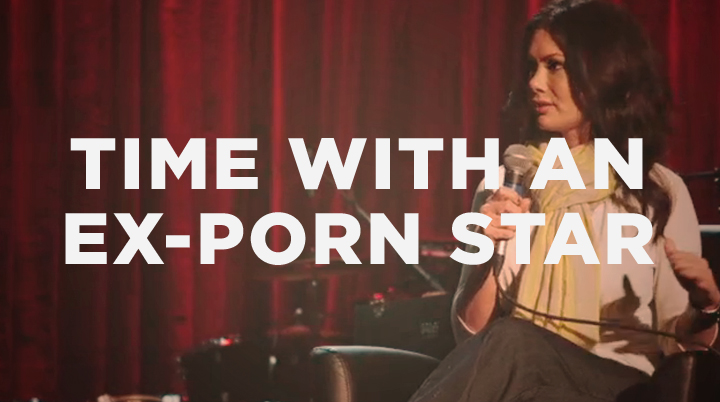
My Time with an Ex-Porn Star

At the suggestion from sex addiction recovery experts, I have removed the name (both real and actress) of the female mentioned in this post as to not trigger recovering sex addicts into “searching” for “more information” about her which could lead to them sexually acting out with pornography.

My Time with an Ex-Porn Star
By Frank Park
Originally posted at The Resurgence

For Mars Hill’s Real Marriage sermon “The Porn Path,” we flew up C****, a former porn star who’s since become a Christian, as a special guest to be interviewed in a Q&A with Pastor Mark and Grace as part of the sermon. After the event, I chauffered C***** and her friend to the airport to catch their flight home to LA. Due to the severe snowstorm that hit Seattle this winter, her friend was able to get on a last-minute flight, but C***** missed her flight altogether. This meant that I ended up spending a few more hours with her. Little did I know that my time with her would be life-changing.

As we waited to be sure her friend’s flight successfully took off, C***** began to share her story, much of which she did not tell at the event. Her words brought all that I had learned about the effects of porn to a completely different level. It suddenly became very real. There was a real face behind the facts, a real voice behind the statistics.

I took away three major things from our conversation that will forever remain with me.

1. Women Are Extra-Special

1 Peter 3:7 tells men, “Likewise, husbands, live with your wives in an understanding way, showing honor to the woman as the weaker vessel, since they are heirs with you of the grace of life, so that your prayers may not be hindered.”

When I read the words “weaker vessel,” I don’t see it as saying women are the weaker sex or unequal to men, but rather that women are extra-special, especially your wife.

C*****’s story helped me to see that being a man means treating women (and in the future, my wife) with extra special care, love, and respect. I am to treat them as I would the most delicate vessel in my pottery collection—not because it is prone to break, but because it is invaluable.

2. Porn Is Real

I know firsthand how addicting porn can be. During my college years, I was serving the church and watching porn. I was leading worship and watching porn. I was a leader in the church and watching porn. It was a love-hate relationship. No professing Christian, after watching porn says, “I’m glad I did that.” We know it is wrong by conviction from the Holy Spirit and regret it after the fact—but we keep going back.

If you’re looking at porn, know this: real people are involved and real damage is done. When you watch porn, you are supporting and encouraging the sexual, emotional, psychological, and physical abuse of real women, not just actors.

Talking with C*****, my disgust over my history of watching porn and my gratitude to Jesus for redeeming me from that horrid habit simultaneously reached new highs. I wish every guy could sit down with C***** for five minutes and just talk to her. If that doesn’t convict him, I don’t know what will.

3. Jesus Can Redeem Anyone’s Story

What stood out the most to me as C***** shared—despite all that she had been through over the years with guys (not men) treating her as a commodity rather than a person and disrespecting her entirely—was that she told her story with a smile on her face.

C***** knows without a doubt that her past does not define her—Jesus does. She knows that in Christ, she is righteous and spotless without blemish. She has hope for the future because of Jesus. She knows that Jesus is using her past to redeem others in the present. She now works for a non-profit organization called Treasures, which aims to reach out to women in the sex industry with the message that they are loved, valued, and purposed by Christ.

For those of you struggling with porn, know this:

  • There’s no such thing as “free porn” —it’s a lie.
  • Real women are being hurt in the porn industry.
  • Porn promises what only Jesus can fulfill.
  • Because Jesus conquered sin and death, this sin can be put to death once and for all in your life. You are fighting a battle that has already been won through Jesus’ life, death, and resurrection.

Jesus really can and will redeem anyone’s story.

Filed Under: Sexual Purity Posts Tagged With: addiction, affair, Affairs, anonymous sex partners, call girls, castimonia, christian, escorts, gratification, healing, human trafficking, lust, masturbation, meeting, porn, porn star, pornography, pornstar, pornstars, prostitute, prostitutes, ptsd, purity, recovery, Sex, sex addict, sex addiction, sex partners, sexual, sexual addiction, sexual impurity, sexual purity, spouses, STD, strippers, trauma

  • « Go to Previous Page
  • Page 1
  • Interim pages omitted …
  • Page 163
  • Page 164
  • Page 165
  • Page 166
  • Page 167
  • Interim pages omitted …
  • Page 178
  • Go to Next Page »

Footer

Useful Links

Castimonia Restoration Ministry, Inc. is a 501c3 non-profit organization


This site is intended for individuals who struggle with maintaining sexual purity. This information is posted for individuals at various stages in their recovery, year 1 to year 30+; what applies to some, may not apply others. Spouses are encouraged to read this blog with the caveat that they may not agree with, understand, or know the reason for some items posted. As always, take what you like and leave the rest.

Copyright © 2026 Castimonia Restoration Ministry

Loading Comments...