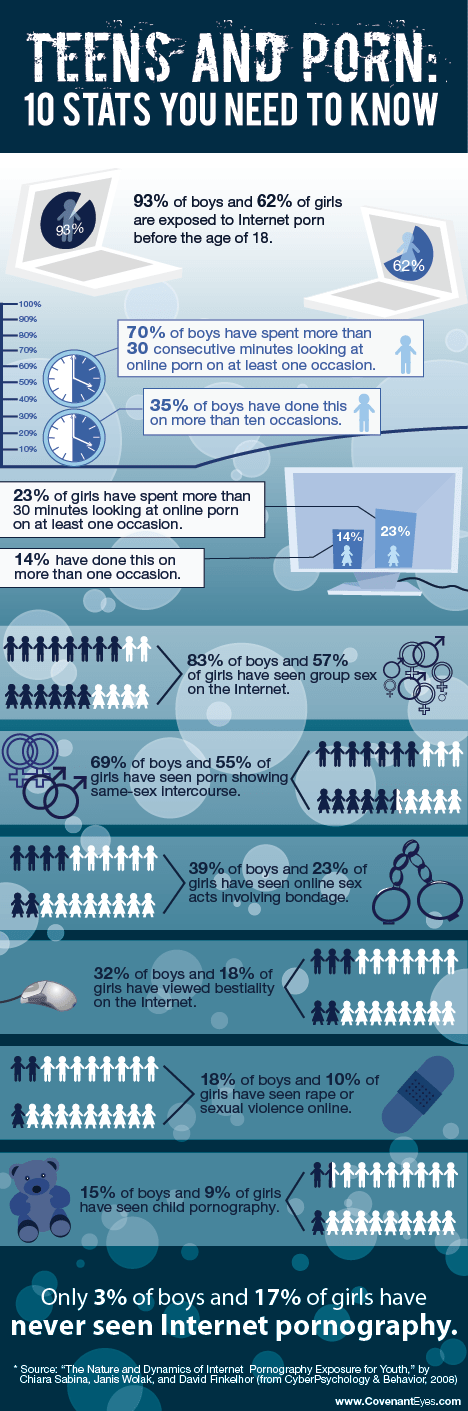
http://purelifepodcast.wordpress.com/2013/11/14/teens-an-porn-10-stats-you-need-to-know-infographic/
Sexual Purity Support & Recovery Group
http://purelifepodcast.wordpress.com/2013/11/13/30-signs-you-might-be-struggling-with-sex-addiction/
Posted on November 13, 2013 by Frank Honess
Source: http://www.xxxchurch.com/men/pastorsblog/0-signs-you-might-be-struggeling-remix.html
If you want a better world, Composed of better nations, Inhabited by better states, Filled with better counties, Made up of better cities, Comprised of better neighborhoods, Illuminated by better churches, Populated by better families, Then you’ll have to start by becoming A better person. —Tony Evans
Posted by James Browning on November 14, 2013
A good marriage is best friends with passion. Without the passion, you just have a friendship. For some, being companions is sufficient. But for most, it is not. One of the major casualties of the harried pace of modern marriage is the loss of sexual intimacy. It is too steep a price to pay. While communication is the most frequently mentioned issue in troubled marriages… a diminished sexual relationship at the center of most troubled marriages. Men and women are different. While these differences get debated in some circles, when it comes to sex, they are real and very clear. Unfortunately many couples fail to reflect on these differences and integrate them into an understanding of how to be successful partners. Start with arousal patterns. Men are quick to be aroused and relatively quick to achieve orgasm. The “spike” rises sharply and drops off just as sharply. Men are especially aroused visually; brain research documents this. So looking at other women, at magazines, videos, and online pornography play a much bigger role in the sexual life of men. Women are aroused more slowly and after achieving orgasm, tend to remain at a high plateau of arousal before dropping off. These are very different physiological patterns. No wonder it is a challenge for couples to really experience mutual satisfaction. These differences must not be ignored; instead they must be incorporated into the lovemaking process. It is also important to understand the psychological implications of the different genital anatomies. For men, sexual intercourse is an external act. This has evolutionary implications about the need for prehistoric men to “seed” many partners in order to insure survival of the species. It is part of what allows men to more easily separate sex from love. But, for a woman, to have intercourse means allowing a man to enter her body. That is a deeply personal act and men need to appreciate this. It is why women complain about the need for emotional intimacy before they can be sexually active. Combine this with the difference in arousal patterns and it becomes much easier to understand why it is so important for women to experience meaningful foreplay.
“Chains do not hold a marriage together. It is threads, hundreds of tiny threads which sew people together through the years.” – Simone Signoret
There’s the waitress who refuses to look in your direction. The oaf who drifts across the highway without using his blinker. And the cheerful, recorded voice that draws you deeper and deeper into voice-mail hell. The most minor annoyance can send us into a fury. But have you ever stopped to think why we get angry? What is anger, anyway? “Anger is a natural emotion,” says Charles D. Spielberger, PhD, a research professor of psychology at the University of South Florida who has studied anger for 25 years. “There is nothing abnormal about it.” Anger might be normal, but it does affect you physically. When you get enraged during a traffic jam or at your kid’s soccer game, your hormone levels increase, your breathing quickens, your pulse and blood pressure soar, you start to sweat, and your pupils dilate. Basically, your body is gearing up for action. This is the “fight” part of the “fight or flight” response. Spielberger says anger has an evolutionary advantage: “Fear and rage are common to animals, too, because it helps them to fight and survive.” The problem is that, nowadays, anger isn’t always so useful. Most of us don’t run into man-eating tigers standing in line at the DMV. The physical effects of anger on your body can be lasting. Some studies have shown a connection between anger and high blood pressure, depression, and heart disease. One study found that people highly prone to anger are three times as likely to have a heart attack or fatal coronary heart disease as less angry people. So what’s the solution? Should you cork up your anger or regularly blow your stack? Experts say neither. Whether you hold it in or explode in a rage, frequent feelings of intense anger may pose the same health risks. The key is to make your anger constructive. Spielberger says that the first step is self-awareness. Don’t allow yourself to fly into a rage. Instead, be conscious of your anger. Stay in control. It’s the only way to figure out exactly what is making you angry. Once you can identify the real problem, you can try to solve it rationally instead of getting pointlessly furious. If you’re angry with someone, talk about it in an assertive, but never aggressive, way. If a certain situation sparks your anger, learn how to prepare for it — or better yet, avoid it — in the future. By R. Morgan Griffin
http://men.webmd.com/features/what-does-anger-do-to-your-health
“Anger is an acid that can do more harm to the vessel in which it is stored than to anything on which it is poured.” – Mark Twain
This site is intended for individuals who struggle with maintaining sexual purity. This information is posted for individuals at various stages in their recovery, year 1 to year 30+; what applies to some, may not apply others. Spouses are encouraged to read this blog with the caveat that they may not agree with, understand, or know the reason for some items posted. As always, take what you like and leave the rest.
